dear readers
My million apologies for failing to update this blog in the past 3 years. Some of you are wondering if I'm still alive? Yes, I can assure you that eight years on, I'm still very much alive by God's grace.
Thank you to those who have chanced upon this blog & written to me. I have promised you that I would be updating this blog soon and I will try my very best to return as soon as I possibly can.
If you have recently been diagnosed with nose cancer, my heart & prayers are with you. I hope you will find this blog and my two other related blogs helpful as you begin your journey with nose cancer. Do write & I will respond.
Wishing all of you the best of health now & always.
your fellow NPC or nose cancer survivor,
sockkim / shuqin / kim
(you may call me by any of these names)
Saturday, 9 August 2014

Friday, 11 November 2011
anticancer diet to help fight cancer (Part 4) : fruits & vegetables
[This is Part 4 of a 5-parts article. Readers should first read Part 1 (Intro) to get the background to this article. As new remedies will be added from time to time, readers need to come back to this article now & then to view updates.]
Introduction
Hippocrates (460-377BC), the father of modern medicine, made this famous quote : "Let food be thy medicine and medicine be thy food!" And Louis Pasteur (1822-1895), a French microbiologist who is remembered for his remarkable breakthroughs in the causes & preventions of diseases such as vaccination & pasteurisation, once said : "Nature is the best physician; she heals three-quarters of all diseases and never badmouths her colleagues."
Eating fruits & vegetables has long been known as a way to help reduce the risk of cancer. Historically, cultures that consume a low-fat diet that includes a variety of fruits, vegetables, legumes and whole grains have lower rates of certain cancers and heart disease. Among the many anticancer components that fruits & vegetables contain, research studies have shown that plant compounds called phytochemicals have an amazing ability to inhibit cancer growth. A diet based on a regular intake of foods containing high levels of phytochemicals is vital in preventing cancer.
In nutritional terms, the foods we eat are generally divided into two categories : macronutrients & micronutrients. Macronutrients include carbohydrates, proteins and lipids (fats). Micronutrients include vitamins, minerals, fibres and phytochemicals.
What are Phytochemicals? (sources : see “References”)
Phytochemicals refer to a wide variety of compounds produced by plants that have protective or disease preventive properties. They are found in fruits, vegetables, beans, grains and other plants.
Phytochemicals are the molecules responsible for the colour and organoleptic properties (properties that affect the organs & the senses such as taste, texture, astringency & aroma) of fruits & vegetables. For example, the brilliant red colour of the strawberry, the characteristic smell of garlic and the bitter taste of bitter gourds are due to the presence of different phytochemical compounds in these foods.
Plants produce phytochemicals to protect themselves from bacteria, viruses and fungi. Recent research demonstrates that phytochemicals can also protect humans against diseases. Scientists have identified about 10,000 different phytochemicals in plants that are considered beneficial in the prevention of chronic diseases such as cancer, stroke & heart disease. Some of the well-known phytochemicals are lycopene in tomatoes, isoflavones in soy and flavanoids in fruits.
Phytochemicals & Anticancer (sources : see “References”)
There is some evidence that certain phytochemicals may help prevent the formation of potential carcinogens (substances that cause cancer), block the action of carcinogens on their target organs or tissue, or act on cells to suppress cancer development. Many experts suggest that people can reduce their risk of cancer significantly by eating more fruits & vegetables. Phytochemicals are present in virtually all of the fruits, vegetables, legumes (beans and peas) and grains we eat, so it is quite easy for most people to include them in their diet. For instance, a carrot contains more than a hundred phytochemicals.
A research done by Prof Beliveau & Dr Gingras, two of the world’s top researchers, revealed that some foods have shown potential to help prevent cancer. In a book they co-authored, they wrote, “Until recently, vitamins, minerals and fibres were considered the only substances responsible for the beneficial effects of fruits & vegetables in the prevention of chronic diseases such as cancer. However, results obtained in the last few years have cast these conclusions into doubt. It now seems more and more probable that the protection against cancer that is offered by fruits & vegetables is due mostly to their phytochemical content.”
The researchers added, “It is the high levels of different classes of phytochemicals present in certain foods that allow them to act as agents in cancer prevention & thus be considered as nutraceuticals. A nutraceutical is any food (fruit, vegetable, beverage or product of fermentation) that contains a large quantity of one or more molecules with anticancer potential. Although all fruits & vegetables contain phytochemicals, many of the phytochemicals showing the highest levels of cancer prevention activity are present only in a few very specific foods.”
Nutraceuticals - Foods with Anticancer Phytochemicals
It's good to eat a variety of fruits & vegetables to benefit from the thousands of phytochemicals present in plants.
According to the research done by Prof Beliveau & Dr Gingras, the following foods (nutraceuticals) have shown high levels of anticancer phytochemicals so you should try to include these foods regularly in your diet to help you fight cancer :
• Cruciferous veggies – cabbage, broccoli, cauliflower, brussels sprouts, etc
• Garlic, onions, shallots & members of the Allium family
• Soya-based foods - tofu, miso, soya beans, soya milk (dou-nai), etc
• Turmeric
• Green tea
• Berries – raspberry, strawberry, blueberry, cranberry
• Omega-3 fatty acids - fresh walnuts, soya beans, tofu, sardines, mackerel, etc
• Tomatoes
• Citrus fruits – orange, grapefruit, lemon, mandarin orange
• Grapes & grape juice (red wine)
Whole Foods or Supplements?
Someone may say, "I've no time to juice or cook, can I take supplements?" My answer is "No". A lot of people think that popping a pill can make up for the lack of a healthy meal. I would say that nothing can substitute for a balanced diet made up of fresh, whole foods.
On the American Cancer Society website it says, "Many of the better-known phytochemicals are now available as dietary supplements. Examples are beta-carotene, ascorbic acid (vitamin C), vitamin E, folic acid, curcumin, etc. However, most available evidence suggests that these single supplements are not as beneficial as the foods from which they are derived." This is because phytochemicals cannot be found in supplements and are present only in whole foods.
Therefore I would suggest that you eat whole foods and NOT food supplements which often come in the form of ready-to-swallow capsules or pills OR ready-to-drink mixture or satchet. Eating whole foods, instead of taking supplements, allows the body to benefit from the wide range of phytochemical compounds they contain.
Foods with high levels of anticancer phytochemcials
You can eat the foods in their natural form (as juices or salads) or you can cook the food. I like to eat my food raw & uncooked so as to preserve its God-given natural nutrients. Many nutrients in food tend to be destroyed by the high heat of cooking so I consume some veggies in the form of juices. But I also include cooked vegetables in my daily balanced meals (purely for their fibres content, and also because some foods are best eaten cooked eg tomatoes). You too can eat your foods raw or cooked to enjoy the full benefits that nature provides.
You can include the following foods regularly in your anticancer diet.
1. Cruciferous Vegetables
Members of the cabbage family are known as crucifers or cruciferous vegetables and belong to the Cruciferae or Brassicaceae family. This family takes its name from the shape of their flowers whose four petals resemble a cross (crucifer). Cruciferous vegetables have a unique ability to fight against the development of cancerous cells in the body. Eaten regularly, they are an easy & inexpensive way to help prevent cancer.

Members of the crucifer or cabbage family include the following :
• Brocolli & broccoli sprouts
• Brussels sprouts
• Cauliflower
• Cabbages – green cabbage (with smooth green-white leaves), red cabbage (with purple-red leaves), savoy cabbage (with curly crinkled leaves), Chinese celery or napa cabbage (or wong-bok)
• Non-head-forming cabbages – bok choy (or pak choy, peh chai, bai-cai, Shanghai qing-cai), Chinese broccoli or Chinese kale (kai-lan), collard greens, kale, kohlrabi, mustard, radish, rutabaga, spring greens, turnips, wasabi, watercress
Phytochemicals in Cruciferous Veggies
Cruciferous vegetables are unique in that they are rich sources of sulphur-containing compounds called glucosinolates that impart a pungent aroma and spicy, bitter taste. Glucoraphanin and isothiocyanate sulforaphane are two major types of glucosinolates. Chopping or chewing cruciferous vegetables results in the formation of bioactive glucosinolate hydrolysis products such as isothiocyanates and indole-3-carbinol.
“In food-bearing plants, glucosinolates act as natural pesticides and are stored in the plant’s cells, ready to be released upon tissue damage. Similarly, when consumed by humans, the action of chewing releases the glucosinolates into the body where they are transformed into bioactive compounds believed to have anticancer properties. These anticancer compounds operate on several fronts --- triggering the body’s own detoxification systems, slowing cancer cell growth and supporting DNA repair.” (source : sharecare.com)
“Research suggests that glucosinolates can stimulate the body’s own natural antioxidant systems. As such, glucosinolates act as indirect antioxidants triggering the liver to produce detoxifying enzymes that block free-radical attack on DNA. Once this process occurs, a cascade of antioxidant activity actually cycles over and over within the body, continuing to protect your system for up to four days after the glucosinolate-containing food was initially eaten.” (source : sharecare.com)
Anticancer effects
• Of all edible plants, cruciferous vegetables contain the largest variety of phytochemical compounds with anticancer activity.
• Cruciferous vegetables contain important quantities of many anticancer compounds that slow the development of cancer by preventing carcinogenic substances from causing damage to cells.
• Many studies have found that eating a diet rich in cruciferous vegetables has been associated with a decrease in the risk of many cancers such as lung cancer, breast cancer, prostate cancer and gastrointestinal cancers such as stomach, bladder & colorectal.
• Isothiocyanates, such as sulphoraphane (American spelling : "sulforaphane"), may help prevent cancer by promoting the elimination of potential carcinogens from the body.
• “Certain isothiocyanates show more powerful anticancer activity than others; this is the case of the sulphoraphane in broccoli. Sulphoraphane accelerates the body’s ability to flush out toxic substances linked to cancer. Sulphoraphane also seems capable of acting directly at the level of the cancerous cells & bringing about their demise.” (source : Beliveau & Gingras)

• “Broccoli & broccoli sprouts are by far the best source of sulphoraphane; one serving of broccoli contains up to 60mg while one serving of broccoli sprouts can contain up to 100 times more. This makes broccoli one of the most important foods in the prevention of cancer through diet.” (source : Boliveau & Gingras)

• Sulphoraphane can be found in all cruciferous veggies but highest in broccoli & broccoli sprouts. Broccoli, broccoli sprouts and Brussels spouts are exceptional sources of these anticancer molecules and should be eaten regularly.
• “Despite all the beneficial properties associated with sulphoraphane, it would be wrong to assume that eating regular helpings of broccoli is the only way we might prevent cancer. The isothiocyanates and indoles present in other cruciferous vegetables also possess anticancer properties that contribute to their protective effect on health.” (source : Beliveau & Gingras)

• “Among these molecules, two deserve special mention : phenethyl isothiocyanate (PEITC) & indole-3-carbinol (I3C). Studies have shown that PEITC, present in large amounts in watercress & Chinese cabbage, not only can prevent the development of tumours but it may also play a protective role in fighting existing tumours.” (source : Beliveau & Gingras)
• “I3C is a type of glucosinolate that is found in most cruciferous vegetables and especially broccoli & Brussels sprouts. Research on the chemopreventive role of I3C has shown its impact on oestrogen metabolism & its ability to interfere with cancers dependent on oestrogens such as breast, cervical and uterine cancers.” (source : Beliveau & Gingras)
Basic facts you should know (source : Beliveau & Gingras)
Several factors must be considered in order to maximise the active isothiocyanate & indole content in cruciferous vegetables.
(1) The anticancer molecules in cruciferous vegetables are present in a latent state in the vegetables themselves; it is only when these vegetables are actually chewed & eaten that the active anticancer compounds are released.
(2) Glucosinolates are very soluble in water so cooking a cruciferous veggie for 10 min in a large volume of boiling water reduces by half the quantity of glucosinolates present in the veggie. This is a cooking method best avoided.
(3) Myrosinase activity (definition below) is very sensitive to heat. A prolonged cooking time substantially reduces the amount of isothiocyanates. Cruciferous veggies should therefore be cooked as little as possible, in a minimum of liquid, to reduce the loss of myrosinase activity & glucosinolates.
What is Myrosinase? (source : whfoods.com)
Did you know that cutting the broccoli florets into smaller pieces and the stems into thin slices and letting them sit for 5 to 6 minutes before cooking will enhance their cancer protective properties? Cutting broccoli into smaller pieces breaks the cells and activates an enzyme called myrosinase. The myrosinase converts some of the sulphur-containing chemicals found in broccoli (called glucosinolates) into other sulphur containing chemicals (called isothiocyanates) which research has shown to contain cancer preventive properties not found in the glucosinolates . Studies have actually pinpointed specific mechanisms, like changes in cellular genetic processes, which are involved in increasing cancer protection.
Cooking Tips
• Avoid boiling cruciferous veggies as boiling will destroy sulphoraphane & indo-3-carbinols.
• Cruciferous vegetables should be lightly cooked and thoroughly chewed when eaten in order to maximise their anticancer potential.
• Rapid cooking techniques, such as steaming or stir-frying in a wok, are simple & effective ways of maximising the quantity of anticancer molecules delivered by cruciferous veggies. Cover & steam briefly (steam for 2-3 min after water in steamer has boiled) or stir-fry rapidly in a wok with a little olive oil & some garlic.
• Steamed veggies taste delicious even without any seasoning. Give it a try, you will love its original natural sweetness & flavour. Lightly cooked veggies have a bright green colour.
• Don’t overcook cruciferous veggies as they will turn yellow and can produce a strong sulphur odour which can be unappealing. Overcooking the veggie will also decrease its nutritional value.
• When buying fresh broccoli, look for firm florets with a purple, dark green or bluish hue on the top. These are likely to contain more beta-carotene and vitamin C than florets with lighter green tops. If it has yellow in it or is limp and bendable, the broccoli is old --- don’t buy it.
Caution : Goitrogens present in cruciferous vegetables
People who suffer from hypothyroidism and who are on thyroid hormone replacement treatment should consider limiting the consumption of cruciferous vegetables. This is because cruciferous vegetables contain thyroid inhibitors known as goitrogens. (Generally, there are two categories of foods that have been associated with disrupted thyroid hormone production in humans : soybean-related foods and cruciferous vegetables.)
Goitrogens are substances that suppress the function of the thyroid gland by interfering with iodine uptake, which can, as a result, cause an enlargement of the thyroid, that is, a goitre. Goitrogens can cause difficulty for the thyroid in making its hormone. Isothiocyanates appear to reduce thyroid function by blocking thyroid peroxidase and also by disrupting messages that are sent across the membranes of thyroid cells.
“Although research studies are limited in this area, cooking does appear to help inactivate the goitrogenic compounds found in food. Both isoflavones (found in soy foods) and isothiocyanates (found in cruciferous vegetables) appear to be heat-sensitive and cooking appears to lower the availability of these substances. In the case of isothiocyanates in cruciferous vegetables like broccoli, as much as one third of this goitrogenic substance may be deactivated when broccoli is boiled in water.” (source : whfoods.com)
“Although for many people goitrogens do not seem to pose a health concern, certain individuals who have thyroid problems may be advised by their healthcare practitioner to limit excessive consumption of foods that contain these compounds. As cooking seems to help to inactivate the goitrogenic compounds found in food, it seems reasonable to conclude that for individuals with deficient thyroid hormone production, steaming of cruciferous vegetables like broccoli makes good sense, as does consumption of tofu in cooked versus raw form.” (source : whfoods.com)
(more to come)
Eat right. Exercise daily. Rest adequately.
shuqin
______________________________________________________________
References
Phytochemicals
American Cancer Society
http://www.cancer.org/Treatment/TreatmentsandSideEffects/ComplementaryandAlternativeMedicine/HerbsVitaminsandMinerals/phytochemicals
Book : "Foods to fight Cancer" by Prof R Beliveau & Dr D Gingras (2007)
Book : "Anticancer" by Dr D Servan-Schreiber (2011)
ShareCare.com
How do glucosinolates in vegetables protect me from cancer?
http://www.sharecare.com/question/glucosinolates_protect_cancer
Wikipedia
http://en.wikipedia.org/wiki/List_of_phytochemicals_in_food
Cruciferous vegetables
Wikipedia
http://en.wikipedia.org/wiki/Cruciferous_vegetables
Cook’s Thesaurus
http://www.foodsubs.com/Cabbage.html#bok
Cruciferous Vegetables Diet
http://www.cruciferousvegetablesdiet.com/
The World’s Healthiest Foods
http://www.whfoods.com/genpage.php?tname=george&dbid=47
How to prepare broccoli to retain its nutritional value (must read)
http://www.whfoods.com/genpage.php?tname=george&dbid=64
Introduction
Hippocrates (460-377BC), the father of modern medicine, made this famous quote : "Let food be thy medicine and medicine be thy food!" And Louis Pasteur (1822-1895), a French microbiologist who is remembered for his remarkable breakthroughs in the causes & preventions of diseases such as vaccination & pasteurisation, once said : "Nature is the best physician; she heals three-quarters of all diseases and never badmouths her colleagues."
Eating fruits & vegetables has long been known as a way to help reduce the risk of cancer. Historically, cultures that consume a low-fat diet that includes a variety of fruits, vegetables, legumes and whole grains have lower rates of certain cancers and heart disease. Among the many anticancer components that fruits & vegetables contain, research studies have shown that plant compounds called phytochemicals have an amazing ability to inhibit cancer growth. A diet based on a regular intake of foods containing high levels of phytochemicals is vital in preventing cancer.
In nutritional terms, the foods we eat are generally divided into two categories : macronutrients & micronutrients. Macronutrients include carbohydrates, proteins and lipids (fats). Micronutrients include vitamins, minerals, fibres and phytochemicals.
What are Phytochemicals? (sources : see “References”)
Phytochemicals refer to a wide variety of compounds produced by plants that have protective or disease preventive properties. They are found in fruits, vegetables, beans, grains and other plants.
Phytochemicals are the molecules responsible for the colour and organoleptic properties (properties that affect the organs & the senses such as taste, texture, astringency & aroma) of fruits & vegetables. For example, the brilliant red colour of the strawberry, the characteristic smell of garlic and the bitter taste of bitter gourds are due to the presence of different phytochemical compounds in these foods.
Plants produce phytochemicals to protect themselves from bacteria, viruses and fungi. Recent research demonstrates that phytochemicals can also protect humans against diseases. Scientists have identified about 10,000 different phytochemicals in plants that are considered beneficial in the prevention of chronic diseases such as cancer, stroke & heart disease. Some of the well-known phytochemicals are lycopene in tomatoes, isoflavones in soy and flavanoids in fruits.
Phytochemicals & Anticancer (sources : see “References”)
There is some evidence that certain phytochemicals may help prevent the formation of potential carcinogens (substances that cause cancer), block the action of carcinogens on their target organs or tissue, or act on cells to suppress cancer development. Many experts suggest that people can reduce their risk of cancer significantly by eating more fruits & vegetables. Phytochemicals are present in virtually all of the fruits, vegetables, legumes (beans and peas) and grains we eat, so it is quite easy for most people to include them in their diet. For instance, a carrot contains more than a hundred phytochemicals.
A research done by Prof Beliveau & Dr Gingras, two of the world’s top researchers, revealed that some foods have shown potential to help prevent cancer. In a book they co-authored, they wrote, “Until recently, vitamins, minerals and fibres were considered the only substances responsible for the beneficial effects of fruits & vegetables in the prevention of chronic diseases such as cancer. However, results obtained in the last few years have cast these conclusions into doubt. It now seems more and more probable that the protection against cancer that is offered by fruits & vegetables is due mostly to their phytochemical content.”
The researchers added, “It is the high levels of different classes of phytochemicals present in certain foods that allow them to act as agents in cancer prevention & thus be considered as nutraceuticals. A nutraceutical is any food (fruit, vegetable, beverage or product of fermentation) that contains a large quantity of one or more molecules with anticancer potential. Although all fruits & vegetables contain phytochemicals, many of the phytochemicals showing the highest levels of cancer prevention activity are present only in a few very specific foods.”
Nutraceuticals - Foods with Anticancer Phytochemicals
It's good to eat a variety of fruits & vegetables to benefit from the thousands of phytochemicals present in plants.
According to the research done by Prof Beliveau & Dr Gingras, the following foods (nutraceuticals) have shown high levels of anticancer phytochemicals so you should try to include these foods regularly in your diet to help you fight cancer :
• Cruciferous veggies – cabbage, broccoli, cauliflower, brussels sprouts, etc
• Garlic, onions, shallots & members of the Allium family
• Soya-based foods - tofu, miso, soya beans, soya milk (dou-nai), etc
• Turmeric
• Green tea
• Berries – raspberry, strawberry, blueberry, cranberry
• Omega-3 fatty acids - fresh walnuts, soya beans, tofu, sardines, mackerel, etc
• Tomatoes
• Citrus fruits – orange, grapefruit, lemon, mandarin orange
• Grapes & grape juice (red wine)
Whole Foods or Supplements?
Someone may say, "I've no time to juice or cook, can I take supplements?" My answer is "No". A lot of people think that popping a pill can make up for the lack of a healthy meal. I would say that nothing can substitute for a balanced diet made up of fresh, whole foods.
On the American Cancer Society website it says, "Many of the better-known phytochemicals are now available as dietary supplements. Examples are beta-carotene, ascorbic acid (vitamin C), vitamin E, folic acid, curcumin, etc. However, most available evidence suggests that these single supplements are not as beneficial as the foods from which they are derived." This is because phytochemicals cannot be found in supplements and are present only in whole foods.
Therefore I would suggest that you eat whole foods and NOT food supplements which often come in the form of ready-to-swallow capsules or pills OR ready-to-drink mixture or satchet. Eating whole foods, instead of taking supplements, allows the body to benefit from the wide range of phytochemical compounds they contain.
Foods with high levels of anticancer phytochemcials
You can eat the foods in their natural form (as juices or salads) or you can cook the food. I like to eat my food raw & uncooked so as to preserve its God-given natural nutrients. Many nutrients in food tend to be destroyed by the high heat of cooking so I consume some veggies in the form of juices. But I also include cooked vegetables in my daily balanced meals (purely for their fibres content, and also because some foods are best eaten cooked eg tomatoes). You too can eat your foods raw or cooked to enjoy the full benefits that nature provides.
You can include the following foods regularly in your anticancer diet.
1. Cruciferous Vegetables
Members of the cabbage family are known as crucifers or cruciferous vegetables and belong to the Cruciferae or Brassicaceae family. This family takes its name from the shape of their flowers whose four petals resemble a cross (crucifer). Cruciferous vegetables have a unique ability to fight against the development of cancerous cells in the body. Eaten regularly, they are an easy & inexpensive way to help prevent cancer.

Members of the crucifer or cabbage family include the following :
• Brocolli & broccoli sprouts
• Brussels sprouts
• Cauliflower
• Cabbages – green cabbage (with smooth green-white leaves), red cabbage (with purple-red leaves), savoy cabbage (with curly crinkled leaves), Chinese celery or napa cabbage (or wong-bok)
• Non-head-forming cabbages – bok choy (or pak choy, peh chai, bai-cai, Shanghai qing-cai), Chinese broccoli or Chinese kale (kai-lan), collard greens, kale, kohlrabi, mustard, radish, rutabaga, spring greens, turnips, wasabi, watercress
Phytochemicals in Cruciferous Veggies
Cruciferous vegetables are unique in that they are rich sources of sulphur-containing compounds called glucosinolates that impart a pungent aroma and spicy, bitter taste. Glucoraphanin and isothiocyanate sulforaphane are two major types of glucosinolates. Chopping or chewing cruciferous vegetables results in the formation of bioactive glucosinolate hydrolysis products such as isothiocyanates and indole-3-carbinol.
“In food-bearing plants, glucosinolates act as natural pesticides and are stored in the plant’s cells, ready to be released upon tissue damage. Similarly, when consumed by humans, the action of chewing releases the glucosinolates into the body where they are transformed into bioactive compounds believed to have anticancer properties. These anticancer compounds operate on several fronts --- triggering the body’s own detoxification systems, slowing cancer cell growth and supporting DNA repair.” (source : sharecare.com)
“Research suggests that glucosinolates can stimulate the body’s own natural antioxidant systems. As such, glucosinolates act as indirect antioxidants triggering the liver to produce detoxifying enzymes that block free-radical attack on DNA. Once this process occurs, a cascade of antioxidant activity actually cycles over and over within the body, continuing to protect your system for up to four days after the glucosinolate-containing food was initially eaten.” (source : sharecare.com)
Anticancer effects
• Of all edible plants, cruciferous vegetables contain the largest variety of phytochemical compounds with anticancer activity.
• Cruciferous vegetables contain important quantities of many anticancer compounds that slow the development of cancer by preventing carcinogenic substances from causing damage to cells.
• Many studies have found that eating a diet rich in cruciferous vegetables has been associated with a decrease in the risk of many cancers such as lung cancer, breast cancer, prostate cancer and gastrointestinal cancers such as stomach, bladder & colorectal.
• Isothiocyanates, such as sulphoraphane (American spelling : "sulforaphane"), may help prevent cancer by promoting the elimination of potential carcinogens from the body.
• “Certain isothiocyanates show more powerful anticancer activity than others; this is the case of the sulphoraphane in broccoli. Sulphoraphane accelerates the body’s ability to flush out toxic substances linked to cancer. Sulphoraphane also seems capable of acting directly at the level of the cancerous cells & bringing about their demise.” (source : Beliveau & Gingras)
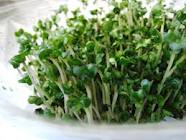
• “Broccoli & broccoli sprouts are by far the best source of sulphoraphane; one serving of broccoli contains up to 60mg while one serving of broccoli sprouts can contain up to 100 times more. This makes broccoli one of the most important foods in the prevention of cancer through diet.” (source : Boliveau & Gingras)

• Sulphoraphane can be found in all cruciferous veggies but highest in broccoli & broccoli sprouts. Broccoli, broccoli sprouts and Brussels spouts are exceptional sources of these anticancer molecules and should be eaten regularly.
• “Despite all the beneficial properties associated with sulphoraphane, it would be wrong to assume that eating regular helpings of broccoli is the only way we might prevent cancer. The isothiocyanates and indoles present in other cruciferous vegetables also possess anticancer properties that contribute to their protective effect on health.” (source : Beliveau & Gingras)

• “Among these molecules, two deserve special mention : phenethyl isothiocyanate (PEITC) & indole-3-carbinol (I3C). Studies have shown that PEITC, present in large amounts in watercress & Chinese cabbage, not only can prevent the development of tumours but it may also play a protective role in fighting existing tumours.” (source : Beliveau & Gingras)
• “I3C is a type of glucosinolate that is found in most cruciferous vegetables and especially broccoli & Brussels sprouts. Research on the chemopreventive role of I3C has shown its impact on oestrogen metabolism & its ability to interfere with cancers dependent on oestrogens such as breast, cervical and uterine cancers.” (source : Beliveau & Gingras)
Basic facts you should know (source : Beliveau & Gingras)
Several factors must be considered in order to maximise the active isothiocyanate & indole content in cruciferous vegetables.
(1) The anticancer molecules in cruciferous vegetables are present in a latent state in the vegetables themselves; it is only when these vegetables are actually chewed & eaten that the active anticancer compounds are released.
(2) Glucosinolates are very soluble in water so cooking a cruciferous veggie for 10 min in a large volume of boiling water reduces by half the quantity of glucosinolates present in the veggie. This is a cooking method best avoided.
(3) Myrosinase activity (definition below) is very sensitive to heat. A prolonged cooking time substantially reduces the amount of isothiocyanates. Cruciferous veggies should therefore be cooked as little as possible, in a minimum of liquid, to reduce the loss of myrosinase activity & glucosinolates.
What is Myrosinase? (source : whfoods.com)
Did you know that cutting the broccoli florets into smaller pieces and the stems into thin slices and letting them sit for 5 to 6 minutes before cooking will enhance their cancer protective properties? Cutting broccoli into smaller pieces breaks the cells and activates an enzyme called myrosinase. The myrosinase converts some of the sulphur-containing chemicals found in broccoli (called glucosinolates) into other sulphur containing chemicals (called isothiocyanates) which research has shown to contain cancer preventive properties not found in the glucosinolates . Studies have actually pinpointed specific mechanisms, like changes in cellular genetic processes, which are involved in increasing cancer protection.
Cooking Tips
• Avoid boiling cruciferous veggies as boiling will destroy sulphoraphane & indo-3-carbinols.
• Cruciferous vegetables should be lightly cooked and thoroughly chewed when eaten in order to maximise their anticancer potential.
• Rapid cooking techniques, such as steaming or stir-frying in a wok, are simple & effective ways of maximising the quantity of anticancer molecules delivered by cruciferous veggies. Cover & steam briefly (steam for 2-3 min after water in steamer has boiled) or stir-fry rapidly in a wok with a little olive oil & some garlic.
• Steamed veggies taste delicious even without any seasoning. Give it a try, you will love its original natural sweetness & flavour. Lightly cooked veggies have a bright green colour.
• Don’t overcook cruciferous veggies as they will turn yellow and can produce a strong sulphur odour which can be unappealing. Overcooking the veggie will also decrease its nutritional value.
• When buying fresh broccoli, look for firm florets with a purple, dark green or bluish hue on the top. These are likely to contain more beta-carotene and vitamin C than florets with lighter green tops. If it has yellow in it or is limp and bendable, the broccoli is old --- don’t buy it.
Caution : Goitrogens present in cruciferous vegetables
People who suffer from hypothyroidism and who are on thyroid hormone replacement treatment should consider limiting the consumption of cruciferous vegetables. This is because cruciferous vegetables contain thyroid inhibitors known as goitrogens. (Generally, there are two categories of foods that have been associated with disrupted thyroid hormone production in humans : soybean-related foods and cruciferous vegetables.)
Goitrogens are substances that suppress the function of the thyroid gland by interfering with iodine uptake, which can, as a result, cause an enlargement of the thyroid, that is, a goitre. Goitrogens can cause difficulty for the thyroid in making its hormone. Isothiocyanates appear to reduce thyroid function by blocking thyroid peroxidase and also by disrupting messages that are sent across the membranes of thyroid cells.
“Although research studies are limited in this area, cooking does appear to help inactivate the goitrogenic compounds found in food. Both isoflavones (found in soy foods) and isothiocyanates (found in cruciferous vegetables) appear to be heat-sensitive and cooking appears to lower the availability of these substances. In the case of isothiocyanates in cruciferous vegetables like broccoli, as much as one third of this goitrogenic substance may be deactivated when broccoli is boiled in water.” (source : whfoods.com)
“Although for many people goitrogens do not seem to pose a health concern, certain individuals who have thyroid problems may be advised by their healthcare practitioner to limit excessive consumption of foods that contain these compounds. As cooking seems to help to inactivate the goitrogenic compounds found in food, it seems reasonable to conclude that for individuals with deficient thyroid hormone production, steaming of cruciferous vegetables like broccoli makes good sense, as does consumption of tofu in cooked versus raw form.” (source : whfoods.com)
(more to come)
Eat right. Exercise daily. Rest adequately.
shuqin
______________________________________________________________
References
Phytochemicals
American Cancer Society
http://www.cancer.org/Treatment/TreatmentsandSideEffects/ComplementaryandAlternativeMedicine/HerbsVitaminsandMinerals/phytochemicals
Book : "Foods to fight Cancer" by Prof R Beliveau & Dr D Gingras (2007)
Book : "Anticancer" by Dr D Servan-Schreiber (2011)
ShareCare.com
How do glucosinolates in vegetables protect me from cancer?
http://www.sharecare.com/question/glucosinolates_protect_cancer
Wikipedia
http://en.wikipedia.org/wiki/List_of_phytochemicals_in_food
Cruciferous vegetables
Wikipedia
http://en.wikipedia.org/wiki/Cruciferous_vegetables
Cook’s Thesaurus
http://www.foodsubs.com/Cabbage.html#bok
Cruciferous Vegetables Diet
http://www.cruciferousvegetablesdiet.com/
The World’s Healthiest Foods
http://www.whfoods.com/genpage.php?tname=george&dbid=47
How to prepare broccoli to retain its nutritional value (must read)
http://www.whfoods.com/genpage.php?tname=george&dbid=64
Wednesday, 26 October 2011
anticancer diet to help fight cancer (Part 3) : herbs & spices
[This is Part 3 of a 5-parts article. Readers should first read Part 1 (Intro) to get the background to this article. As new remedies will be added from time to time, readers need to come back to this article now & then to view updates.]
Introduction
Herbs & spices have been known since ancient times to provide nutritional benefits for a wide range of diseases & illnesses. The Chinese have used medicinal herbs for 5,000 years to heal diseases & promote wellness. And many spices are not only used as a food additive, colouring or preservative but they are also used to help prevent chronic diseases such as cancer.
Below are some herbs & spices that cancer survivors can use in their daily diet to help them fight cancer.
Lemongrass Tea
In 2005, researchers at Ben Gurion University in Israel discovered that the lemon aroma in herbs like lemongrass kills cancer cells in vitro, while leaving healthy cells unharmed. The researchers found that a drink with as little as one gram of lemongrass contains enough citral to prompt the cancer cells to commit suicide in the test tube.
Citral is the key component that gives the lemony aroma and taste in several herbal plants such as lemongrass. The success of their research led them to the conclusion that herbs containing citral may be consumed as a preventative measure against certain cancerous cells.
Many physicians in Israel began to believe that while the research certainly needed to be explored further, in the meantime it would be advisable for their patients, who were looking for any possible tool to fight their condition, to try to harness the cancer-destroying properties of citral. The cancer patients were "told to drink eight glasses of hot water with fresh lemongrass steeped in it on the days that they went for their radiation and chemotherapy treatments."
Here are some tips on how you can include lemongrass in your daily anti-cancer diet.

Recipe
Ingredients : 3 stalks of lemongrass & 8 glasses of water (2,000ml or 2 litres).
Method : Cut the stalks in halves & boil them in water for about 20 min.
When to drink : On the day you go for radiation or chemo treatment, drink this tea within 2 hrs & stop drinking half-hour before treatment starts. On the day when you don't have treatment, you can boil just 1 stalk of lemongrass with 2 glasses (500ml) of water for 10 min and drink it while it's fresh & warm.
For cancer survivors : you too can include lemongrass tea in your daily diet as part of your health maintenance. Boil 1 stalk of lemongrass with 500ml of water & drink the tea while it's fresh & warm. I make & drink this tea everyday.
Benefits : prevent mouth ulcers and nausea; prevent good cells from being killed by radiation and chemo drugs; prevent growth of cancer cells.
Additional tips : You can include one or two stalks of lemongrass when you cook your rice.
Useful Info (taken from : WebMD website, see "References" for link)
1. Lemongrass is a plant. The leaves and the oil are used to make medicine.
2. Lemongrass is used for treating digestive tract spasms, stomachache, high blood pressure, convulsions, pain, vomiting, cough, achy joints (rheumatism), fever, the common cold, and exhaustion. It is also used to kill germs and as a mild astringent.
3. Some people apply lemongrass and its essential oil directly to the skin for headache, stomachache, abdominal pain, and muscle pain.
4. By inhalation, the essential oil of lemongrass is used as aromatherapy for muscle pain.
5. In food and beverages, lemongrass is used as a flavoring. For example, lemongrass leaves are commonly used as “lemon” flavoring in herbal teas.
6. In manufacturing, lemongrass is used as a fragrance in soaps and cosmetics. Lemongrass is also used in making vitamin A and natural citral.
7. How does it work? Lemongrass might help prevent the growth of some bacteria and yeast. Lemongrass also contains substances that are thought to relieve pain, reduce fever, stimulate the uterus and menstrual flow, and have antioxidant properties.
Turmeric and Black Pepper
Turmeric is a spice commonly used in Indian cooking. Is it a coincidence that the rate of cancer among Indians is lower than that of the Chinese & Malays in Singapore? (Chinese males : 250 per 100,000 population compared to Indian males 113; Chinese females : 209 per 100,000 population compared to Indian females 128). I don't think so. I can’t help but feel that turmeric may be the reason for the disparity between the rates of cancer among Indians and the other two main ethnic groups in Singapore.
And interestingly, when cancer rates from India are compared with those from Western countries, it also tells the same story. In India, the rates for breast, lung, colorectal, prostate & kidney cancers are one of the lowest in the world. Turmeric could be the reason as it is consumed in large amounts in India. An Indian consumes an average of 1.5g to 2g of turmeric per day (one-quarter to half a teaspoon).
Turmeric is grown in India and other tropical regions of Asia. Since the seventh century AD, turmeric has long been used as an anti-inflammatory herbal remedy. Some practitioners prescribe turmeric to relieve inflammation caused by arthritis, muscle sprains, swelling & pain caused by injuries or surgical incisions. It is also promoted as a treatment for rheumatism & as an antiseptic for cleaning wounds.
Supporters of turmeric also claim that turmeric protects against liver diseases, stimulates the gallbladder and circulatory systems, reduces cholesterol levels, dissolves blood clots, helps stop external and internal bleeding, and relieves painful menstruation and chest pains that often occur with heart disease. It is also used as a remedy for digestive problems such as irritable bowel syndrome, colitis, Crohn’s disease and illnesses caused by toxins from parasites and bacteria.
Turmeric is a plant in the ginger family. Turmeric (Indian saffron) is known as Haldi in India or jianghuang (yellow ginger) in Chinese. Turmeric contains an active ingredient called curcumin, an antioxidant that has shown to have numerous anticancer properties. Laboratory studies have found that carcumin inhibits & slows the growth of a number of cancers, particularly tumours of the oesophagus, mouth, lung, liver, prostate, stomach, colon, intestines, breast, skin & leukaemia. It also inhibits angiogenesis (#) & forces cancer cells to die.
A research done by Dr Beliveau & Dr Gingras on turmeric discovered that curcumin has one drawback – its low bioavailability (the extent to which it can be absorbed into the bloodstream). They found that piperine, a molecule contained in black pepper, increases the body’s absorption of curcumin by a factor of 1,000. To be assimilated by the body, turmeric must therefore be mixed with black pepper.
Dr Servan-Schreiber, a physician-scientist and a 20-year brain cancer survivor, said in his “Anticancer” blog, “Given that turmeric and pepper, taken as part of a normal diet, are practically never toxic in any way, it seems to me to be perfectly reasonable to recommend that all of us regularly consume a soupspoon of turmeric every day, with a pinch of pepper. You can use it in all your cooking, just like I've been doing for years.”
 Here is the recipe for tumeric-black pepper mixture which was given me by Jimmy, one NPC survivor who had done some research into this anticancer spice.
Recipe
Ingredients : ten (10) teaspoons of turmeric powder and one (1) teaspoon of ground black pepper.
Method : Mix the 2 ingredients thoroughly in a glass container. Use a glass container with a tight lid, one that you can use to store the mixture for daily use.
How to consume : sprinkle turmeric-black pepper powder in your cooking or in your bowl of rice, noodles or soup, in fact in all the food you consume each day.

How much to take : Although there is no standard dose for turmeric, some practitioners recommend taking a teaspoon with each meal.
Benefits : inhibit, prevent & slow the growth of cancer. In the words of Dr Beliveau & Dr Gingras, "The daily addition of a teaspoon of turmeric to soups, salad dressings or pasta dishes is a simple, rapid & inexpensive way of providing a curcumin intake sufficient to help prevent cancer from developing."
Caution & Contraindications :
1. “Note that it is often safest to avoid turmeric during chemotherapy as well as three days before and after the treatment. This is because it can – rarely, but it can – interfere with some chemotherapy treatments and reduce their benefits.” (Dr Servan-Schreiber)
2. A study by some researchers had suggested that curcumin changes metabolism of oxalate, a substance that can form kidney stones. The researchers urged caution in use of this supplement by people with conditions that make them susceptible to kidney stones. (American Cancer Society)
3. People taking blood-thinning medications, drugs that suppress the immune system or non-steroidal pain relievers (such as ibuprofen) should avoid turmeric because of the risk of harmful drug interactions. In animal and laboratory studies, turmeric made certain anti-cancer drugs less effective. Antioxidant supplements can interfere with the effectiveness of chemotherapy or radiation treatment. Patients who are in cancer treatment should talk to their doctor before taking vitamins, minerals, herbs or other supplements. (American Cancer Society)
4. People with bleeding disorders, obstructions of the bile duct or a history of ulcers also should avoid turmeric. Women who are pregnant or breast-feeding should not use this herb. The amount of turmeric found in foods is thought to be safe for those who are not allergic to it. (American Cancer Society)
5. When used as a spice in foods, turmeric is considered safe. But allergic reactions are possible. People who are allergic to ginger or yellow food colourings are more likely to be allergic to turmeric. (American Cancer Society)
Sabah Snake Grass (or Clinacanthus nutans) (work-in-progress)
notice
dear readers, I'm in the process of doing research on this herb but may have to delay publishing it on this blog as I have to attend to my ageing dad who is very sick with pneumonia. I will be back as soon as I can.
Meanwhile, if you google "Sabah snake grass" on the internet, you will be able to find several blogs on this subject. I append below some of the blogs you can visit.
Some recommended websites
http://sabahsnakegrassclinacanthus.com/
http://detox4cure.blogspot.com/
http://blog.ongsiwkim.com/en/
http://goodguy.hubpages.com/hub/Herbal-cure-for-cancer
http://upekah.blogspot.com/2011/09/sabah-snake-grass-update.html
http://healthiswealthwithherbs.blogspot.com/2011/11/how-to-plant-sabah-snake-grass.html
(watch out for more remedies ......)
Eat right. Exercise daily. Rest adequately.
shuqin
__________________________________________________________________
References
Lemongrass
http://www.israel21c.org/health/fresh-lemon-grass-fields-in-israel-become-mecca-for-cancer-patients
http://www.webmd.com/vitamins-supplements/ingredientmono-719-LEMONGRASS.aspx?activeIngredientId=719&activeIngredientName=LEMONGRASS
Turmeric
Singapore Cancer Registry Interim Report - Trends in Cancer Incidence in Singapore 2004-2008
http://www.nrdo.gov.sg/uploadedFiles/NRDO/Publications/Cancer_Trends_Report0408_web_v2.pdf
Dr David Servan-Schreiber’s “Anticancer” blog
http://www.anticancerbook.com/research.html
American Cancer Society
http://www.cancer.org/Treatment/TreatmentsandSideEffects/ComplementaryandAlternativeMedicine/HerbsVitaminsandMinerals/turmeric
Book - “Foods to fight cancer” by Prof R Beliveau & Dr D Gingras
Introduction
Herbs & spices have been known since ancient times to provide nutritional benefits for a wide range of diseases & illnesses. The Chinese have used medicinal herbs for 5,000 years to heal diseases & promote wellness. And many spices are not only used as a food additive, colouring or preservative but they are also used to help prevent chronic diseases such as cancer.
Below are some herbs & spices that cancer survivors can use in their daily diet to help them fight cancer.
Lemongrass Tea
In 2005, researchers at Ben Gurion University in Israel discovered that the lemon aroma in herbs like lemongrass kills cancer cells in vitro, while leaving healthy cells unharmed. The researchers found that a drink with as little as one gram of lemongrass contains enough citral to prompt the cancer cells to commit suicide in the test tube.
Citral is the key component that gives the lemony aroma and taste in several herbal plants such as lemongrass. The success of their research led them to the conclusion that herbs containing citral may be consumed as a preventative measure against certain cancerous cells.
Many physicians in Israel began to believe that while the research certainly needed to be explored further, in the meantime it would be advisable for their patients, who were looking for any possible tool to fight their condition, to try to harness the cancer-destroying properties of citral. The cancer patients were "told to drink eight glasses of hot water with fresh lemongrass steeped in it on the days that they went for their radiation and chemotherapy treatments."
Here are some tips on how you can include lemongrass in your daily anti-cancer diet.

Recipe
Ingredients : 3 stalks of lemongrass & 8 glasses of water (2,000ml or 2 litres).
Method : Cut the stalks in halves & boil them in water for about 20 min.
When to drink : On the day you go for radiation or chemo treatment, drink this tea within 2 hrs & stop drinking half-hour before treatment starts. On the day when you don't have treatment, you can boil just 1 stalk of lemongrass with 2 glasses (500ml) of water for 10 min and drink it while it's fresh & warm.
For cancer survivors : you too can include lemongrass tea in your daily diet as part of your health maintenance. Boil 1 stalk of lemongrass with 500ml of water & drink the tea while it's fresh & warm. I make & drink this tea everyday.
Benefits : prevent mouth ulcers and nausea; prevent good cells from being killed by radiation and chemo drugs; prevent growth of cancer cells.
Additional tips : You can include one or two stalks of lemongrass when you cook your rice.
Useful Info (taken from : WebMD website, see "References" for link)
1. Lemongrass is a plant. The leaves and the oil are used to make medicine.
2. Lemongrass is used for treating digestive tract spasms, stomachache, high blood pressure, convulsions, pain, vomiting, cough, achy joints (rheumatism), fever, the common cold, and exhaustion. It is also used to kill germs and as a mild astringent.
3. Some people apply lemongrass and its essential oil directly to the skin for headache, stomachache, abdominal pain, and muscle pain.
4. By inhalation, the essential oil of lemongrass is used as aromatherapy for muscle pain.
5. In food and beverages, lemongrass is used as a flavoring. For example, lemongrass leaves are commonly used as “lemon” flavoring in herbal teas.
6. In manufacturing, lemongrass is used as a fragrance in soaps and cosmetics. Lemongrass is also used in making vitamin A and natural citral.
7. How does it work? Lemongrass might help prevent the growth of some bacteria and yeast. Lemongrass also contains substances that are thought to relieve pain, reduce fever, stimulate the uterus and menstrual flow, and have antioxidant properties.
Turmeric and Black Pepper
Turmeric is a spice commonly used in Indian cooking. Is it a coincidence that the rate of cancer among Indians is lower than that of the Chinese & Malays in Singapore? (Chinese males : 250 per 100,000 population compared to Indian males 113; Chinese females : 209 per 100,000 population compared to Indian females 128). I don't think so. I can’t help but feel that turmeric may be the reason for the disparity between the rates of cancer among Indians and the other two main ethnic groups in Singapore.
And interestingly, when cancer rates from India are compared with those from Western countries, it also tells the same story. In India, the rates for breast, lung, colorectal, prostate & kidney cancers are one of the lowest in the world. Turmeric could be the reason as it is consumed in large amounts in India. An Indian consumes an average of 1.5g to 2g of turmeric per day (one-quarter to half a teaspoon).
Turmeric is grown in India and other tropical regions of Asia. Since the seventh century AD, turmeric has long been used as an anti-inflammatory herbal remedy. Some practitioners prescribe turmeric to relieve inflammation caused by arthritis, muscle sprains, swelling & pain caused by injuries or surgical incisions. It is also promoted as a treatment for rheumatism & as an antiseptic for cleaning wounds.
Supporters of turmeric also claim that turmeric protects against liver diseases, stimulates the gallbladder and circulatory systems, reduces cholesterol levels, dissolves blood clots, helps stop external and internal bleeding, and relieves painful menstruation and chest pains that often occur with heart disease. It is also used as a remedy for digestive problems such as irritable bowel syndrome, colitis, Crohn’s disease and illnesses caused by toxins from parasites and bacteria.
Turmeric is a plant in the ginger family. Turmeric (Indian saffron) is known as Haldi in India or jianghuang (yellow ginger) in Chinese. Turmeric contains an active ingredient called curcumin, an antioxidant that has shown to have numerous anticancer properties. Laboratory studies have found that carcumin inhibits & slows the growth of a number of cancers, particularly tumours of the oesophagus, mouth, lung, liver, prostate, stomach, colon, intestines, breast, skin & leukaemia. It also inhibits angiogenesis (#) & forces cancer cells to die.
A research done by Dr Beliveau & Dr Gingras on turmeric discovered that curcumin has one drawback – its low bioavailability (the extent to which it can be absorbed into the bloodstream). They found that piperine, a molecule contained in black pepper, increases the body’s absorption of curcumin by a factor of 1,000. To be assimilated by the body, turmeric must therefore be mixed with black pepper.
Dr Servan-Schreiber, a physician-scientist and a 20-year brain cancer survivor, said in his “Anticancer” blog, “Given that turmeric and pepper, taken as part of a normal diet, are practically never toxic in any way, it seems to me to be perfectly reasonable to recommend that all of us regularly consume a soupspoon of turmeric every day, with a pinch of pepper. You can use it in all your cooking, just like I've been doing for years.”
 Here is the recipe for tumeric-black pepper mixture which was given me by Jimmy, one NPC survivor who had done some research into this anticancer spice.
Recipe
Ingredients : ten (10) teaspoons of turmeric powder and one (1) teaspoon of ground black pepper.
Method : Mix the 2 ingredients thoroughly in a glass container. Use a glass container with a tight lid, one that you can use to store the mixture for daily use.
How to consume : sprinkle turmeric-black pepper powder in your cooking or in your bowl of rice, noodles or soup, in fact in all the food you consume each day.

How much to take : Although there is no standard dose for turmeric, some practitioners recommend taking a teaspoon with each meal.
Benefits : inhibit, prevent & slow the growth of cancer. In the words of Dr Beliveau & Dr Gingras, "The daily addition of a teaspoon of turmeric to soups, salad dressings or pasta dishes is a simple, rapid & inexpensive way of providing a curcumin intake sufficient to help prevent cancer from developing."
Caution & Contraindications :
1. “Note that it is often safest to avoid turmeric during chemotherapy as well as three days before and after the treatment. This is because it can – rarely, but it can – interfere with some chemotherapy treatments and reduce their benefits.” (Dr Servan-Schreiber)
2. A study by some researchers had suggested that curcumin changes metabolism of oxalate, a substance that can form kidney stones. The researchers urged caution in use of this supplement by people with conditions that make them susceptible to kidney stones. (American Cancer Society)
3. People taking blood-thinning medications, drugs that suppress the immune system or non-steroidal pain relievers (such as ibuprofen) should avoid turmeric because of the risk of harmful drug interactions. In animal and laboratory studies, turmeric made certain anti-cancer drugs less effective. Antioxidant supplements can interfere with the effectiveness of chemotherapy or radiation treatment. Patients who are in cancer treatment should talk to their doctor before taking vitamins, minerals, herbs or other supplements. (American Cancer Society)
4. People with bleeding disorders, obstructions of the bile duct or a history of ulcers also should avoid turmeric. Women who are pregnant or breast-feeding should not use this herb. The amount of turmeric found in foods is thought to be safe for those who are not allergic to it. (American Cancer Society)
5. When used as a spice in foods, turmeric is considered safe. But allergic reactions are possible. People who are allergic to ginger or yellow food colourings are more likely to be allergic to turmeric. (American Cancer Society)
Sabah Snake Grass (or Clinacanthus nutans) (work-in-progress)
notice
dear readers, I'm in the process of doing research on this herb but may have to delay publishing it on this blog as I have to attend to my ageing dad who is very sick with pneumonia. I will be back as soon as I can.
Meanwhile, if you google "Sabah snake grass" on the internet, you will be able to find several blogs on this subject. I append below some of the blogs you can visit.
Some recommended websites
http://sabahsnakegrassclinacanthus.com/
http://detox4cure.blogspot.com/
http://blog.ongsiwkim.com/en/
http://goodguy.hubpages.com/hub/Herbal-cure-for-cancer
http://upekah.blogspot.com/2011/09/sabah-snake-grass-update.html
http://healthiswealthwithherbs.blogspot.com/2011/11/how-to-plant-sabah-snake-grass.html
(watch out for more remedies ......)
Eat right. Exercise daily. Rest adequately.
shuqin
__________________________________________________________________
References
Lemongrass
http://www.israel21c.org/health/fresh-lemon-grass-fields-in-israel-become-mecca-for-cancer-patients
http://www.webmd.com/vitamins-supplements/ingredientmono-719-LEMONGRASS.aspx?activeIngredientId=719&activeIngredientName=LEMONGRASS
Turmeric
Singapore Cancer Registry Interim Report - Trends in Cancer Incidence in Singapore 2004-2008
http://www.nrdo.gov.sg/uploadedFiles/NRDO/Publications/Cancer_Trends_Report0408_web_v2.pdf
Dr David Servan-Schreiber’s “Anticancer” blog
http://www.anticancerbook.com/research.html
American Cancer Society
http://www.cancer.org/Treatment/TreatmentsandSideEffects/ComplementaryandAlternativeMedicine/HerbsVitaminsandMinerals/turmeric
Book - “Foods to fight cancer” by Prof R Beliveau & Dr D Gingras
Sunday, 25 September 2011
anticancer diet to help fight cancer (Part 2) : juices
[This is Part 2 of a 5-parts article. Readers should first read Part 1 (Intro) to get the background to this article. As new remedies will be added from time to time, readers need to come back to this article to view updates.]
Introduction
Juices should become daily supplementary diet not only for people with cancer but for everyone. Vegetable juice is my daily "medicine" which I take twice a day. I notice my health has improved ever since I started drinking vegetable juices everyday. Just as you need to take daily showers to cleanse your body externally, you too need to take daily showers (in the form of juices) to cleanse (ie detoxify) your body internally. You do not need to spend hundreds or thousands of dollars to sign up for a detoxification program. Fresh vegetable juice is good enough.
Why juice? Juicing helps you to absorb better all the natural vitamins, minerals & enzymes from the vegetables. These nutrients help your body to detoxify & build up the body's immunity against many diseases & illnesses, including cancer. Juicing also allows you to consume a wide variety of vegetables at one go without the need to chew & digest, especially when you are unable to eat proper meals due to loss of appetite, mouth ulcers, etc. or when you suffer from constipation caused by drugs & medication.
DON’T buy commercially juiced products as they contain preservatives & sugar which are detrimental to health. Invest in a good juicer to make your own fresh juices. A good juicer costs around S$200-S$350 & can last 5-10 years.
I start each morning with ABC juice. In the afternoon or evening, I will drink another glass of vegetable juice. Cancer patients undergoing treatment should try to take veg juices, if possible, because radiotherapy & chemotherapy are highly toxic and juices can help to purge these toxins out of the body.
ABC Juice
 Ingredients : one red apple, one small beetroot, one carrot (if beetroot is too big, use part of it & keep the other part in an air-tight container in the fridge).
Method : Remove skin (to get rid of pesticides), wash, cut into pieces & put into juicer. Drink the juice immediately. You may add water if you find the juice too sweet.
When to drink : first thing in the morning on an empty stomach, about one hour before breakfast.
Benefits : Reduce blood pressure & cholesterol; prevent cancer cells from developing & restrain cancer cells from growing; prevent cardiovascular diseases; prevent constipation; assist bowel movement; detoxify liver & body.
Additional notes : Beetroot can cause your stools to turn red. Thus, if you take ABC juice and your stools turn red, do not be alarmed. It is not necessarily blood in the stools.

Green Juices
 Ingredients : You can use a variety of green vegetables. I usually juice 4-6 types of vegetables to make green juices. Examples of vegies you can use include asparagus, baby bitter gourd, broccoli, cabbage, cauliflower, celery, green capsicum, mini cucumber, pumpkin, wheatgrass, etc. I will also add fruits such as green apple, guava & lemon. Please read Part 4 (fruits & vegetables) for a list of foods that have high phytochemical compounds.
Method :
1. Remove skin (if any), wash, cut into pieces & put into blender or juicer.
2. Squeeze out lemon juice separately using a squeezer or a fork, then add it to the juiced or blended green juice (watch the video below to learn how to get the most juice out of lemons).
3. Drink the juice immediately. You may add water if you find the juice too sweet.
Note : Broccoli & cauliflower florets can contain germs and bugs. One method to eliminate these germs and bugs is to blanch the broccoli & cauliflower in some boiling salted water before juicing. Plunging vegetables into boiling salted water can help clean the vegetables of germs and bugs that cannot be removed by normal washing. Not all vegetables need to be blanched except those with tight florets such as broccoli & cauliflower (source : Juicing book website).
When to drink : any time of the day on an empty stomach, preferably 30min before meals. Cancer patients undergoing treatment can drink veg juice to detoxify & cleanse the body of toxins.
Benefits : cleanse & detoxify the liver; reduce body acidity (vegies & fruits are alkaline-forming food), assist bowel movement & prevent constipation. Lemon is the top alkaline-forming food so try to consume it everyday (using the method described above).
Caution : if you're new to green juices, go slow as the taste can be quite strong. Add in one green apple, guava, chinese pear, carrot or pumpkin to dilute the green taste.

Chinese Pear JuiceChinese (golden) pears are round, crunchy & sweet, and differ from the traditional bell-shaped European pears. The Chinese pear is known to have more medicinal values than the other pears. The Chinese pear juice is an effective remedy for coughs & sore throats.
I first heard of the medicinal value of the Chinese pear a few years ago during a routine consultation with my TCM physician. I happened to be down with an irritating dry cough & he recommended me to drink fresh Chinese pear juice. He advised me, “Don’t eat the pear, drink the juice, it’s more effective.” I took his advice. And he was right. After drinking just one glass of the juice, I was amazed that my dry cough was healed almost instantly! And now I’m sharing this secret recipe with you.
According to Traditional Chinese Medicine (TCM), the best time to drink pear juice is in the morning when you want to help get rid of a cough or to relieve fever. Because of its soothing effect on the throat, the Chinese pear juice is very suitable for NPC patients & survivors who often suffer from dry mouth (xerostomia) & dry throat due to side-effects of radiation & chemo drugs. If you are a chilli lover like me, you will be happy to know that you will soon be able to take chilli again if you include this juice in your diet.

Ingredients : one Chinese pear
Method : remove skin (to get rid of pesticides), wash, cut into pieces & put into juicer. Drink the juice immediately. Pear juice is fairly concentrated & sweet but I normally don’t dilute it with water as I drink it as a “cough syrup” to allow the “medicine” to work on my throat.
When to drink : drink in the morning if you are down with a cough or fever or dry throat; drink when you feel a cold coming; drink during summer heat or hot weather to cool down & prevent sore throat; drink to help relieve the dryness in your mouth & throat (for NPC sufferers & survivors).
Benefits : regulate bowel movements & relieve constipation; relieve coughs & fever; soothe the throat & prevent throat problems; boost immunity system; relieve inflammation; help to clear phlegm & mucus; aid in digestion; good for people prone to allergic reactions.
Additional tips : boil two Chinese pears with some raw honey & drink it warm. It’s said to provide healing for the throat & vocal cord.
Where to find good Chinese pears in Singapore : fruits stalls & wet markets & some supermarkets. A good Chinese pear costs about S$1.20 or S$1.30. They are imported mostly from China & South Korea (the Korean ones are of better quality). Good pears have deep green or golden colour & are firm to the touch.
(watch out for more remedies ........ )
Eat rightly. Exercise daily. Rest adequately.
shuqin
______________________________________________________________________
References
Cancer Facts
http://www.cancer.gov/cancertopics/cancerlibrary/what-is-cancer
http://www.cancer.org/Cancer/CancerBasics/what-is-cancer
http://www.detox.net.au/articles/cancer-facts-vegetarian-recipes.htm
Chinese Pear
http://www.juicing-for-health.com/health-benefits-of-pear.html
Introduction
Juices should become daily supplementary diet not only for people with cancer but for everyone. Vegetable juice is my daily "medicine" which I take twice a day. I notice my health has improved ever since I started drinking vegetable juices everyday. Just as you need to take daily showers to cleanse your body externally, you too need to take daily showers (in the form of juices) to cleanse (ie detoxify) your body internally. You do not need to spend hundreds or thousands of dollars to sign up for a detoxification program. Fresh vegetable juice is good enough.
Why juice? Juicing helps you to absorb better all the natural vitamins, minerals & enzymes from the vegetables. These nutrients help your body to detoxify & build up the body's immunity against many diseases & illnesses, including cancer. Juicing also allows you to consume a wide variety of vegetables at one go without the need to chew & digest, especially when you are unable to eat proper meals due to loss of appetite, mouth ulcers, etc. or when you suffer from constipation caused by drugs & medication.
DON’T buy commercially juiced products as they contain preservatives & sugar which are detrimental to health. Invest in a good juicer to make your own fresh juices. A good juicer costs around S$200-S$350 & can last 5-10 years.
I start each morning with ABC juice. In the afternoon or evening, I will drink another glass of vegetable juice. Cancer patients undergoing treatment should try to take veg juices, if possible, because radiotherapy & chemotherapy are highly toxic and juices can help to purge these toxins out of the body.
ABC Juice
 Ingredients : one red apple, one small beetroot, one carrot (if beetroot is too big, use part of it & keep the other part in an air-tight container in the fridge).
Method : Remove skin (to get rid of pesticides), wash, cut into pieces & put into juicer. Drink the juice immediately. You may add water if you find the juice too sweet.
When to drink : first thing in the morning on an empty stomach, about one hour before breakfast.
Benefits : Reduce blood pressure & cholesterol; prevent cancer cells from developing & restrain cancer cells from growing; prevent cardiovascular diseases; prevent constipation; assist bowel movement; detoxify liver & body.
Additional notes : Beetroot can cause your stools to turn red. Thus, if you take ABC juice and your stools turn red, do not be alarmed. It is not necessarily blood in the stools.

Green Juices
 Ingredients : You can use a variety of green vegetables. I usually juice 4-6 types of vegetables to make green juices. Examples of vegies you can use include asparagus, baby bitter gourd, broccoli, cabbage, cauliflower, celery, green capsicum, mini cucumber, pumpkin, wheatgrass, etc. I will also add fruits such as green apple, guava & lemon. Please read Part 4 (fruits & vegetables) for a list of foods that have high phytochemical compounds.
Method :
1. Remove skin (if any), wash, cut into pieces & put into blender or juicer.
2. Squeeze out lemon juice separately using a squeezer or a fork, then add it to the juiced or blended green juice (watch the video below to learn how to get the most juice out of lemons).
3. Drink the juice immediately. You may add water if you find the juice too sweet.
Note : Broccoli & cauliflower florets can contain germs and bugs. One method to eliminate these germs and bugs is to blanch the broccoli & cauliflower in some boiling salted water before juicing. Plunging vegetables into boiling salted water can help clean the vegetables of germs and bugs that cannot be removed by normal washing. Not all vegetables need to be blanched except those with tight florets such as broccoli & cauliflower (source : Juicing book website).
When to drink : any time of the day on an empty stomach, preferably 30min before meals. Cancer patients undergoing treatment can drink veg juice to detoxify & cleanse the body of toxins.
Benefits : cleanse & detoxify the liver; reduce body acidity (vegies & fruits are alkaline-forming food), assist bowel movement & prevent constipation. Lemon is the top alkaline-forming food so try to consume it everyday (using the method described above).
Caution : if you're new to green juices, go slow as the taste can be quite strong. Add in one green apple, guava, chinese pear, carrot or pumpkin to dilute the green taste.

Chinese Pear JuiceChinese (golden) pears are round, crunchy & sweet, and differ from the traditional bell-shaped European pears. The Chinese pear is known to have more medicinal values than the other pears. The Chinese pear juice is an effective remedy for coughs & sore throats.
I first heard of the medicinal value of the Chinese pear a few years ago during a routine consultation with my TCM physician. I happened to be down with an irritating dry cough & he recommended me to drink fresh Chinese pear juice. He advised me, “Don’t eat the pear, drink the juice, it’s more effective.” I took his advice. And he was right. After drinking just one glass of the juice, I was amazed that my dry cough was healed almost instantly! And now I’m sharing this secret recipe with you.
According to Traditional Chinese Medicine (TCM), the best time to drink pear juice is in the morning when you want to help get rid of a cough or to relieve fever. Because of its soothing effect on the throat, the Chinese pear juice is very suitable for NPC patients & survivors who often suffer from dry mouth (xerostomia) & dry throat due to side-effects of radiation & chemo drugs. If you are a chilli lover like me, you will be happy to know that you will soon be able to take chilli again if you include this juice in your diet.

Ingredients : one Chinese pear
Method : remove skin (to get rid of pesticides), wash, cut into pieces & put into juicer. Drink the juice immediately. Pear juice is fairly concentrated & sweet but I normally don’t dilute it with water as I drink it as a “cough syrup” to allow the “medicine” to work on my throat.
When to drink : drink in the morning if you are down with a cough or fever or dry throat; drink when you feel a cold coming; drink during summer heat or hot weather to cool down & prevent sore throat; drink to help relieve the dryness in your mouth & throat (for NPC sufferers & survivors).
Benefits : regulate bowel movements & relieve constipation; relieve coughs & fever; soothe the throat & prevent throat problems; boost immunity system; relieve inflammation; help to clear phlegm & mucus; aid in digestion; good for people prone to allergic reactions.
Additional tips : boil two Chinese pears with some raw honey & drink it warm. It’s said to provide healing for the throat & vocal cord.
Where to find good Chinese pears in Singapore : fruits stalls & wet markets & some supermarkets. A good Chinese pear costs about S$1.20 or S$1.30. They are imported mostly from China & South Korea (the Korean ones are of better quality). Good pears have deep green or golden colour & are firm to the touch.
(watch out for more remedies ........ )
Eat rightly. Exercise daily. Rest adequately.
shuqin
______________________________________________________________________
References
Cancer Facts
http://www.cancer.gov/cancertopics/cancerlibrary/what-is-cancer
http://www.cancer.org/Cancer/CancerBasics/what-is-cancer
http://www.detox.net.au/articles/cancer-facts-vegetarian-recipes.htm
Chinese Pear
http://www.juicing-for-health.com/health-benefits-of-pear.html
Sunday, 11 September 2011
anticancer diet to help fight cancer (Part 1) : introduction
[This is Part 1 of a 5-parts article.]
Introduction
What special food or diet should I take to help me cope with cancer?
This is a question I'm frequently asked by people suffering from nose cancer. It is a valid question. Food or diet is a top concern of every cancer sufferer & survivor. I too had asked this same question when I was diagnosed with NPC (nasopharyngeal cancer) in 2006. Five years on, this topic is still very close to my heart.
By asking this question, we recognise that end of treatment does not necessarily mean end of cancer. We have gone (or are going) through the vigorous cancer treatment which has weakened our body's immune system. We have lost many kilos of weight. We now experience many changes in our body, including the side-effects of cancer treatment. We want to know what we should eat or do to restore our health and prevent cancer from coming back.
In the past 5 years, I have searched the internet, read up books, attended talks & picked up tips from my "NPC family" on what I should eat or do to help me cope & live with nose cancer. I will share some of these anticancer diet or remedies but before we delve into that, we must first understand some basic facts about cancer.
Cancer Facts
Every person has cancer cells in his body. These cancer cells do not show up until they have multiplied to a few billion. When your doctor tells you there are no more cancer cells in your body after treatment, it just means that tests are unable to detect cancer cells because they have not reached detectable size. When your immune system is strong, cancer cells will be destroyed and thus will be prevented from multiplying & forming tumours.
Chemotherapy involves poisoning rapidly-growing cancer cells as well as destroys healthy cells in the body. Radiation, while destroying cancer cells, also burns, scars & damages healthy cells, tissues & organs. When the body has too much toxic burden from chemotherapy and radiation, our immune system is either compromised or destroyed, hence we can succumb to various kinds of infections and complications.
A Total Approach to Fighting Cancer
Our battle with cancer does not end with treatment. End of treatment does not mean we simply return to our former way of life without making changes to our diet & lifestyle. In other words, we cannot afford to do nothing.
Our battle with cancer is an ongoing lifelong battle. We need to stay vigilant against cancer at all times. But we should not live each day worrying about cancer either. While we should lead normal lives, we need also to pay more attention to our diet & lifestyle. So what do we need to do to gear up our ammunition against cancer?
To fight cancer, we need to :
1. starve cancer cells by not feeding the cells with foods that can help it to multiply
2. build up our body's immune system to enable our body's own killer cells to destroy cancer cells
3. detoxify our body so our body's immune system can function more efficiently to remove the cancer cells
4. do deep-breathing exercise daily to get more oxygen down to the cellular level as cancer cells cannot thrive in an oxygenated environment
5. adopt a positive mindset & stress-free lifestyle
In this 5-parts article as well as in future articles, I will provide some practical guide on how we can incorporate these 5 points in our daily battle against cancer.
Anticancer Diet
I will present in this article natural remedies or recipes that are believed to help our bodies fight cancer and provide relief from the side-effects of cancer treatment. Some of these remedies have scientific evidence, while some may not; and some remedies are spread by word of mouth. As each of our body constitution is different, what works for one person may not necessarily work for another. Therefore as you try out these remedies, you must listen to your body, monitor your body's reactions & then make your own decision.
Please note that these natural remedies are NOT meant to replace your daily balanced meals or cancer treatment. These remedies are supplementary diet to help you fight your cancer.
I will group the anticancer diet under 4 categories : juices, herbs & spices, fruits & vegetables and soups. Due to the length of this article, I will present it in 5 parts as follows :
Part 1 : Introduction
Part 2 : Juices
Part 3 : Herbs & Spices
Part 4 : Fruits & Vegetables
Part 5 : Soups & Beverages
Please proceed now to Part 2 on juices.
Eat rightly. Exercise daily. Rest adequately.
shuqin
__________________________________________________________________
References
Cancer Facts
http://www.cancer.gov/cancertopics/cancerlibrary/what-is-cancer
http://www.cancer.org/Cancer/CancerBasics/what-is-cancer
http://www.detox.net.au/articles/cancer-facts-vegetarian-recipes.htm
Introduction
What special food or diet should I take to help me cope with cancer?
This is a question I'm frequently asked by people suffering from nose cancer. It is a valid question. Food or diet is a top concern of every cancer sufferer & survivor. I too had asked this same question when I was diagnosed with NPC (nasopharyngeal cancer) in 2006. Five years on, this topic is still very close to my heart.
By asking this question, we recognise that end of treatment does not necessarily mean end of cancer. We have gone (or are going) through the vigorous cancer treatment which has weakened our body's immune system. We have lost many kilos of weight. We now experience many changes in our body, including the side-effects of cancer treatment. We want to know what we should eat or do to restore our health and prevent cancer from coming back.
In the past 5 years, I have searched the internet, read up books, attended talks & picked up tips from my "NPC family" on what I should eat or do to help me cope & live with nose cancer. I will share some of these anticancer diet or remedies but before we delve into that, we must first understand some basic facts about cancer.
Cancer Facts
Every person has cancer cells in his body. These cancer cells do not show up until they have multiplied to a few billion. When your doctor tells you there are no more cancer cells in your body after treatment, it just means that tests are unable to detect cancer cells because they have not reached detectable size. When your immune system is strong, cancer cells will be destroyed and thus will be prevented from multiplying & forming tumours.
Chemotherapy involves poisoning rapidly-growing cancer cells as well as destroys healthy cells in the body. Radiation, while destroying cancer cells, also burns, scars & damages healthy cells, tissues & organs. When the body has too much toxic burden from chemotherapy and radiation, our immune system is either compromised or destroyed, hence we can succumb to various kinds of infections and complications.
A Total Approach to Fighting Cancer
Our battle with cancer does not end with treatment. End of treatment does not mean we simply return to our former way of life without making changes to our diet & lifestyle. In other words, we cannot afford to do nothing.
Our battle with cancer is an ongoing lifelong battle. We need to stay vigilant against cancer at all times. But we should not live each day worrying about cancer either. While we should lead normal lives, we need also to pay more attention to our diet & lifestyle. So what do we need to do to gear up our ammunition against cancer?
To fight cancer, we need to :
1. starve cancer cells by not feeding the cells with foods that can help it to multiply
2. build up our body's immune system to enable our body's own killer cells to destroy cancer cells
3. detoxify our body so our body's immune system can function more efficiently to remove the cancer cells
4. do deep-breathing exercise daily to get more oxygen down to the cellular level as cancer cells cannot thrive in an oxygenated environment
5. adopt a positive mindset & stress-free lifestyle
In this 5-parts article as well as in future articles, I will provide some practical guide on how we can incorporate these 5 points in our daily battle against cancer.
Anticancer Diet
I will present in this article natural remedies or recipes that are believed to help our bodies fight cancer and provide relief from the side-effects of cancer treatment. Some of these remedies have scientific evidence, while some may not; and some remedies are spread by word of mouth. As each of our body constitution is different, what works for one person may not necessarily work for another. Therefore as you try out these remedies, you must listen to your body, monitor your body's reactions & then make your own decision.
Please note that these natural remedies are NOT meant to replace your daily balanced meals or cancer treatment. These remedies are supplementary diet to help you fight your cancer.
I will group the anticancer diet under 4 categories : juices, herbs & spices, fruits & vegetables and soups. Due to the length of this article, I will present it in 5 parts as follows :
Part 1 : Introduction
Part 2 : Juices
Part 3 : Herbs & Spices
Part 4 : Fruits & Vegetables
Part 5 : Soups & Beverages
Please proceed now to Part 2 on juices.
Eat rightly. Exercise daily. Rest adequately.
shuqin
__________________________________________________________________
References
Cancer Facts
http://www.cancer.gov/cancertopics/cancerlibrary/what-is-cancer
http://www.cancer.org/Cancer/CancerBasics/what-is-cancer
http://www.detox.net.au/articles/cancer-facts-vegetarian-recipes.htm
Sunday, 4 September 2011
cancer recurrence : stories from NPC survivors
Relapse is the most fearful word for cancer survivors. To a cancer survivor, having cancer a 2nd or 3rd time can be devastating. Relapse can be harder to accept than the first time you were diagnosed. But when faced with a relapse, do not panic. Stay calm. There is hope even in relapse cases.
When cancer comes back, doctors call it a recurrence (or recurrent cancer). There are some things you need to know when cancer returns. The following 3 points are taken from the US National Cancer Institute website** :
• A recurrent cancer starts with cancer cells that the first treatment didn’t fully remove or destroy. Some may have been too small to be seen in follow-up. This doesn’t mean that the treatment you received was wrong. And it doesn’t mean that you did anything wrong either. It just means that a small number of cancer cells survived the treatment. These cells grew over time into tumours or cancer that your doctor can now detect.
• When cancer comes back, it doesn’t always show up in the same part of the body. For example, if you had colon cancer, it may come back in your liver. But the cancer is still called colon cancer. When the original cancer spreads to a new place, it is called a metastasis (pronounced “meh-TAS-tuh-sis”).
• It is possible to develop a completely new cancer that has nothing to do with your original cancer. But this doesn’t happen very often. Recurrences are more common.
Stories from 4 NPC survivors
What will you do when you learn that cancer has returned?
Four NPC survivors shared their experiences with cancer relapse at the recent NPC support group meeting. Although faced with a similar life-threatening situation, each of these survivors had chosen a different approach to dealing with cancer recurrence. Two of the survivors opted for conventional treatment while the other two opted for alternative treatment. For these 4 survivors, the relapse occurred within the first 5 years after their first treatment.
Below is their story. I have addressed each one of them by their surname to protect their identities. This write-up is based on my personal notes as I listened to their touching stories.
Mr NgHe was diagnosed in 2003 with Stage 2 NPC and suffered two relapses. The first relapse occurred in 2005 when cancer spread to the lymph nodes on his neck; he underwent surgery. The second relapse occurred in 2006 when cancer returned to the original site (nasopharynx); he underwent both radiotherapy & chemotherapy. His doctor had told him he had up to 6 months to live but he has survived to this day.
Based on his experience with relapse, he gave the following advice :
• Seek second opinion from another cancer expert
• Talk to others with similar experiences but make your own final decision
• Weigh the pros & cons when deciding on your option
• Find out the side effects & consequences to the treatment you have opted
• Whatever your choice, there is no such thing as a guaranteed cure
Mr Ng concluded with the following 3 A’s : Accept, Adapt, Adjust. Cancer requires a new way of life, so stop all unhealthy habits, take up healthy activities, switch to a healthier diet, relax & avoid stress. He emphasised that the mind played an important part, so stay positive & be happy.
Mr GohHe was diagnosed with NPC in 2000 and experienced a relapse in 2002 when he discovered a tumour on his neck. He discussed with his oncologist but turned down his doctor's recommendation of surgery & radiotherapy as he did not wish to suffer the side effects of conventional treatment. He opted for TCM (Traditional Chinese Medicine) instead. He was surprised the tumour shrunk & disappeared. He survived 10 years but cancer returned again in Feb 2011. He again opted for TCM treatment.
Mr NgHe was diagnosed with Stage 3 NPC in 2008 at age 36 with tumour on the neck. After completing conventional treatment of RT & chemo, the tumour disappeared but cancer returned to the nose one year later in 2009. This time he chose to take natural herbs to heal his body. He believes that cancer survivors need to build up a strong immunity against cancer & he does this by including natural herbs in his daily diet such as wheatgrass, Sabah Snake Grass (SSG), fruit enzymes and other herbs.
Ms G
She was diagnosed with Stage 3 NPC in 2006 & underwent both surgery & RT. She suffered a relapse in 2011 when her CT scan showed a growth under her tongue. After discussing with her oncologist, she opted for RT & suffered side effects worse than the first. But she managed to go through the tough journey due to her belief in God, the support she received from her husband & a positive attitude to handling life crisis.
My story
I was diagnosed with Stage 2 NPC in 2006. One year after completing conventional treatment, the CT scan spotted a tiny nodule (2mm) on my right lung. The following year (2008), the nodule had not only increased its size to 6mm but two other tiny nodules of 2mm each were also spotted on the same lung. I considered all the options suggested by my oncologist & decided to have the tumour surgically removed. Biopsy later confirmed the tumour was malignant. Since then, I have been consciously modifying my diet & lifestyle by taking up qigong deep-breathing exercises & paying more attention to anticancer foods in my diet (please read my article : "Anticancer diet to help fight cancer").
ConclusionWhether one chooses the conventional or alternative treatment, there is no right or wrong approach to treating cancer. There is no guaranteed cure in cancer either. Do not believe anyone or any product or any treatment that promises or guarantees complete cure from cancer. Every NPC survivor who suffers a relapse will need to do some homework and consider wisely & carefully all available options before making the final decision.
(for more on cancer relapse, please read my other posting on 19 Jun 2010 - "Cancer recurrence : when nose cancer returns")
_________________________________________________
References
** http://www.cancer.gov/cancertopics/coping/when-cancer-returns/when-cancer-returns/page2)
When cancer comes back, doctors call it a recurrence (or recurrent cancer). There are some things you need to know when cancer returns. The following 3 points are taken from the US National Cancer Institute website** :
• A recurrent cancer starts with cancer cells that the first treatment didn’t fully remove or destroy. Some may have been too small to be seen in follow-up. This doesn’t mean that the treatment you received was wrong. And it doesn’t mean that you did anything wrong either. It just means that a small number of cancer cells survived the treatment. These cells grew over time into tumours or cancer that your doctor can now detect.
• When cancer comes back, it doesn’t always show up in the same part of the body. For example, if you had colon cancer, it may come back in your liver. But the cancer is still called colon cancer. When the original cancer spreads to a new place, it is called a metastasis (pronounced “meh-TAS-tuh-sis”).
• It is possible to develop a completely new cancer that has nothing to do with your original cancer. But this doesn’t happen very often. Recurrences are more common.
Stories from 4 NPC survivors
What will you do when you learn that cancer has returned?
Four NPC survivors shared their experiences with cancer relapse at the recent NPC support group meeting. Although faced with a similar life-threatening situation, each of these survivors had chosen a different approach to dealing with cancer recurrence. Two of the survivors opted for conventional treatment while the other two opted for alternative treatment. For these 4 survivors, the relapse occurred within the first 5 years after their first treatment.
Below is their story. I have addressed each one of them by their surname to protect their identities. This write-up is based on my personal notes as I listened to their touching stories.
Mr NgHe was diagnosed in 2003 with Stage 2 NPC and suffered two relapses. The first relapse occurred in 2005 when cancer spread to the lymph nodes on his neck; he underwent surgery. The second relapse occurred in 2006 when cancer returned to the original site (nasopharynx); he underwent both radiotherapy & chemotherapy. His doctor had told him he had up to 6 months to live but he has survived to this day.
Based on his experience with relapse, he gave the following advice :
• Seek second opinion from another cancer expert
• Talk to others with similar experiences but make your own final decision
• Weigh the pros & cons when deciding on your option
• Find out the side effects & consequences to the treatment you have opted
• Whatever your choice, there is no such thing as a guaranteed cure
Mr Ng concluded with the following 3 A’s : Accept, Adapt, Adjust. Cancer requires a new way of life, so stop all unhealthy habits, take up healthy activities, switch to a healthier diet, relax & avoid stress. He emphasised that the mind played an important part, so stay positive & be happy.
Mr GohHe was diagnosed with NPC in 2000 and experienced a relapse in 2002 when he discovered a tumour on his neck. He discussed with his oncologist but turned down his doctor's recommendation of surgery & radiotherapy as he did not wish to suffer the side effects of conventional treatment. He opted for TCM (Traditional Chinese Medicine) instead. He was surprised the tumour shrunk & disappeared. He survived 10 years but cancer returned again in Feb 2011. He again opted for TCM treatment.
Mr NgHe was diagnosed with Stage 3 NPC in 2008 at age 36 with tumour on the neck. After completing conventional treatment of RT & chemo, the tumour disappeared but cancer returned to the nose one year later in 2009. This time he chose to take natural herbs to heal his body. He believes that cancer survivors need to build up a strong immunity against cancer & he does this by including natural herbs in his daily diet such as wheatgrass, Sabah Snake Grass (SSG), fruit enzymes and other herbs.
Ms G
She was diagnosed with Stage 3 NPC in 2006 & underwent both surgery & RT. She suffered a relapse in 2011 when her CT scan showed a growth under her tongue. After discussing with her oncologist, she opted for RT & suffered side effects worse than the first. But she managed to go through the tough journey due to her belief in God, the support she received from her husband & a positive attitude to handling life crisis.
My story
I was diagnosed with Stage 2 NPC in 2006. One year after completing conventional treatment, the CT scan spotted a tiny nodule (2mm) on my right lung. The following year (2008), the nodule had not only increased its size to 6mm but two other tiny nodules of 2mm each were also spotted on the same lung. I considered all the options suggested by my oncologist & decided to have the tumour surgically removed. Biopsy later confirmed the tumour was malignant. Since then, I have been consciously modifying my diet & lifestyle by taking up qigong deep-breathing exercises & paying more attention to anticancer foods in my diet (please read my article : "Anticancer diet to help fight cancer").
ConclusionWhether one chooses the conventional or alternative treatment, there is no right or wrong approach to treating cancer. There is no guaranteed cure in cancer either. Do not believe anyone or any product or any treatment that promises or guarantees complete cure from cancer. Every NPC survivor who suffers a relapse will need to do some homework and consider wisely & carefully all available options before making the final decision.
(for more on cancer relapse, please read my other posting on 19 Jun 2010 - "Cancer recurrence : when nose cancer returns")
_________________________________________________
References
** http://www.cancer.gov/cancertopics/coping/when-cancer-returns/when-cancer-returns/page2)
Friday, 8 July 2011
cancer and genetic make-up
Why do some people get cancer while others don't? We often hear that it has to do with the food we eat or the lifestyle we lead or the environment we are exposed to or the genes we were born with. But then we too have seen how people who live a healthy & happy lifestyle also end up with cancer. Cancer is a complex disease. We will probably never really know the answer.
Let me share two real-life stories. One is my 80-plus aunty whom I address as "Tuayi" (a Hokkien word for eldest sister of one's mother). It is our family tradition to visit Tuayi on the first day of Lunar New Year. Tuayi is a heavy smoker & smokes like a chimney. I often feel suffocated by the strong smell of cigarette smoke permeating throughout her house. Despite having smoked all her entire life, Tuayi has never suffered from cancer or any other critical illnesses. And today Tuayi spends her sunset years puffing away happily each day.
In comparison, a former colleague of mine died of lung cancer yesterday. He was 64. He was diagnosed with Stage 4 lung cancer three years ago while doing a routine check-up. As far as I know, he had always been healthy & seldom fell sick. And he was not a smoker. But he got lung cancer.
It seems to me like those who smoke don't get cancer and those who don't smoke get cancer. And I have heard of many similar stories from lung cancer survivors. It is the same among NPC survivors. Many NPC survivors, like myself, are non-smokers and yet we end up with cancer. How do you explain this irony of life & the mystery of cancer?
Then yesterday (7 Jul 2011), I happened to watch "The Edge of Life" on Channel News Asia. This documentary features real-life stories of cancer patients undergoing cancer treatment at Parkway Cancer Centre. One comment made by Dr Ang Peng Tiam, the leading oncologist in this documentary, caught my attention.
Dr Ang said, "The seed and the soil theory says that the person, who is genetically predisposed, when exposed to even the least amount of carcinogen, he or she may develop cancer. But in contrast, some people whose genetic make-up is such that they are not prone to cancer, they can have all the spices and eat all the fatty food and all the barbeque they want, they can smoke, they can drink and yet don't get cancer."
("The Edge of Life", CNA, 7 July 2011)
Thank you, Dr Ang. But then, I wonder how can we know which group of genetic make-up we belong to?
dear readers, you can watch "The Edge of Life" telecast on the following link :
http://www.parkwaycancercentre.com/videos/edge-of-life/series/colorectal-cancer-and-lymphoma
Let me share two real-life stories. One is my 80-plus aunty whom I address as "Tuayi" (a Hokkien word for eldest sister of one's mother). It is our family tradition to visit Tuayi on the first day of Lunar New Year. Tuayi is a heavy smoker & smokes like a chimney. I often feel suffocated by the strong smell of cigarette smoke permeating throughout her house. Despite having smoked all her entire life, Tuayi has never suffered from cancer or any other critical illnesses. And today Tuayi spends her sunset years puffing away happily each day.
In comparison, a former colleague of mine died of lung cancer yesterday. He was 64. He was diagnosed with Stage 4 lung cancer three years ago while doing a routine check-up. As far as I know, he had always been healthy & seldom fell sick. And he was not a smoker. But he got lung cancer.
It seems to me like those who smoke don't get cancer and those who don't smoke get cancer. And I have heard of many similar stories from lung cancer survivors. It is the same among NPC survivors. Many NPC survivors, like myself, are non-smokers and yet we end up with cancer. How do you explain this irony of life & the mystery of cancer?
Then yesterday (7 Jul 2011), I happened to watch "The Edge of Life" on Channel News Asia. This documentary features real-life stories of cancer patients undergoing cancer treatment at Parkway Cancer Centre. One comment made by Dr Ang Peng Tiam, the leading oncologist in this documentary, caught my attention.
Dr Ang said, "The seed and the soil theory says that the person, who is genetically predisposed, when exposed to even the least amount of carcinogen, he or she may develop cancer. But in contrast, some people whose genetic make-up is such that they are not prone to cancer, they can have all the spices and eat all the fatty food and all the barbeque they want, they can smoke, they can drink and yet don't get cancer."
("The Edge of Life", CNA, 7 July 2011)
Thank you, Dr Ang. But then, I wonder how can we know which group of genetic make-up we belong to?
____________________________________________
dear readers, you can watch "The Edge of Life" telecast on the following link :
http://www.parkwaycancercentre.com/videos/edge-of-life/series/colorectal-cancer-and-lymphoma
Thursday, 16 December 2010
chinese herbal drinks
Some NPC patients have asked what drinks they could consume to help reduce the body's heatiness caused by radiotherapy & chemotherapy.
Besides the more common "cooling" drinks that you can boil such as barley & chrysanthemum, you can also try drinking herbal drinks to take away the heatiness & "dampness" of the body.
Below are some herbal drinks recipes* recommended by TCM Physician Long for nose/nasopharyngeal cancer (NPC) patients & survivors (note : recipes & instructions are re-produced here in their original form as provided by Physician Long).
a)无花果木瓜仔汤 (Figs and papaya seeds soup)
材料 (Ingredients)
1. 无花果 30 粒 (Figs 30 pcs)
2. 木瓜仔 30 粒 (Papaya seeds 30 pcs )
3. 罗汉果1 粒 (Luo Han Guo 1 pc)
4. 木蝴蝶 20gms (Mu Hu Die (Indian Trumpet Flower seeds 20 gms)
5. 鸡蛋衣 30gms (Egg shell 30 gms )
6. 蜜枣 6 粒 (Preserved Dates 6 pcs)
7. 水10 碗 (Water 10 bowls or 1000 cc)
煮法: 将上述材料同煮1小时, 去渣, 分多次饮用.
Preparation: Boil the above ingredients together with water for one hour. Remove all residues after boiling. Drink the soup on various occasions.
疗效: 放化疗后咽喉溃烂, 声带发炎, 声音沙哑
Functions: Mucous cyst of oral mucosa after chemotherapy or radiotherapy, hoarse or sore throat, pharyngolaryngitis.
b)仙草冻罗汉果 (Grass Jelly & Luo Han Guo)
材料 (Ingredients)
1. 仙草冻 (Grass Jelly)
2. 仙草 (Mesona Chinensis Centh)
3. 罗汉果 (Luo Han Guo)
煮法:
Preparation:
疗效: 性凉味甘, 淡, 清热解暑, 利湿, 降压
Functions: It tastes light. Good for clearing the heat-evil and dampness of body. Promotes urination, subdues blood pressure.
c) 罗汉果鹏大海汤 (Luo Han Guo & Pang Da Hai soup)
材料 (Ingredients)
1. 鹏大海: 6 枚 (Pang Da Hai6 Pcs)
2. 罗汉果: 1 枚 (Luo Han Guo <> 1 Pc)
煮法:
Preparation:
1) 鹏大海浸水泡胀后, 清理纤维物质, 捞起待用
Soak the Pang Da Hai until it is fully expanded. Separate and collect the fiber / jelly from the seed and put it in a container for later use.
2) 罗汉果砸碎, 加5 碗水煮45分钟
Smash the Luo Han Guo. Add 5 bowls of water and boil it for 45 minutes.
3) 将材料 (a) + (b) 同煮10分钟即成
Put (1) & (2) together and boil them for 10 minutes.
疗效: 咽喉发炎
Functions: Catarrh (ie inflammation of the oral cavity, nose and throat with increased production of mucus)
References
* recipes given at a talk by Dr Long at the NPC Support Group
Besides the more common "cooling" drinks that you can boil such as barley & chrysanthemum, you can also try drinking herbal drinks to take away the heatiness & "dampness" of the body.
Below are some herbal drinks recipes* recommended by TCM Physician Long for nose/nasopharyngeal cancer (NPC) patients & survivors (note : recipes & instructions are re-produced here in their original form as provided by Physician Long).
a)无花果木瓜仔汤 (Figs and papaya seeds soup)
材料 (Ingredients)
1. 无花果 30 粒 (Figs 30 pcs)
2. 木瓜仔 30 粒 (Papaya seeds 30 pcs )
3. 罗汉果1 粒 (Luo Han Guo 1 pc)
4. 木蝴蝶 20gms (Mu Hu Die (Indian Trumpet Flower seeds 20 gms)
5. 鸡蛋衣 30gms (Egg shell 30 gms )
6. 蜜枣 6 粒 (Preserved Dates 6 pcs)
7. 水10 碗 (Water 10 bowls or 1000 cc)
煮法: 将上述材料同煮1小时, 去渣, 分多次饮用.
Preparation: Boil the above ingredients together with water for one hour. Remove all residues after boiling. Drink the soup on various occasions.
疗效: 放化疗后咽喉溃烂, 声带发炎, 声音沙哑
Functions: Mucous cyst of oral mucosa after chemotherapy or radiotherapy, hoarse or sore throat, pharyngolaryngitis.
b)仙草冻罗汉果 (Grass Jelly & Luo Han Guo)
材料 (Ingredients)
1. 仙草冻 (Grass Jelly)
2. 仙草 (Mesona Chinensis Centh)
3. 罗汉果 (Luo Han Guo)
煮法:
Preparation:
疗效: 性凉味甘, 淡, 清热解暑, 利湿, 降压
Functions: It tastes light. Good for clearing the heat-evil and dampness of body. Promotes urination, subdues blood pressure.
c) 罗汉果鹏大海汤 (Luo Han Guo & Pang Da Hai soup)
材料 (Ingredients)
1. 鹏大海: 6 枚 (Pang Da Hai
2. 罗汉果: 1 枚 (Luo Han Guo <> 1 Pc)
煮法:
Preparation:
1) 鹏大海浸水泡胀后, 清理纤维物质, 捞起待用
Soak the Pang Da Hai until it is fully expanded. Separate and collect the fiber / jelly from the seed and put it in a container for later use.
2) 罗汉果砸碎, 加5 碗水煮45分钟
Smash the Luo Han Guo. Add 5 bowls of water and boil it for 45 minutes.
3) 将材料 (a) + (b) 同煮10分钟即成
Put (1) & (2) together and boil them for 10 minutes.
疗效: 咽喉发炎
Functions: Catarrh (ie inflammation of the oral cavity, nose and throat with increased production of mucus)
References
* recipes given at a talk by Dr Long at the NPC Support Group
Sunday, 25 July 2010
nutrition therapy for nose cancer : before, during & after radiotherapy
When you have cancer, it's important to eat well & eat enough. But to most cancer patients & survivors, this is easier said than done. For people with cancer, eating can be a challenging daily activity. Many cancer survivors will experience changes to their eating habits & tastes. Life after cancer is a new lease of life.
When I was diagnosed with nose cancer in 2006, my doctor advised me to put on weight. He explained that I would lose some weight during treatment so the extra weight would act as a buffer. I asked, “What can I eat and what food should I avoid?” He said, “Eat anything you fancy. Eat your favourite food.” I took my doctor’s advice seriously. For three weeks, I ate all my favourite food & my weight increased from 46kg to almost 50kg! And my doctor was right. By the time I completed my 33 sessions of radiation treatment, I had lost about 8 kg. Four years later today, I have not only regained those lost kilos but have also put on additional kilos (for the record, I now weigh 51kg, with a healthy body mass of 20.7).
"When you have cancer, you may need extra protein and calories. At times, your diet may need to include extra milk, cheese, and eggs. If you have trouble chewing and swallowing, you may need to add sauces and gravies. Sometimes, you may need to eat low-fiber foods instead of those with high fiber." (National Cancer Institute, USA)
Below are notes taken from a talk on "Nutrition Therapy for NPC" ** given at the NPC support group in 2009.
Why is Nutrition Important
- help you feel better
- keep up your strength & energy
- maintain weight & preserve body's store of nutrients
- tolerate treatment-related side effects better
- decrease risk of infection
- recover faster
Pre-Treatment Preparation : Build Yourself Up!
- eat adequately & regularly
- ensure sufficient protein intake (eg chicken, fish, meat, eggs, tofu)
- include 5 colourful servings of fruits & vegetables daily
- avoid alcohol
- limit salt-cured, smoked & pickled foods
- try new food
- stock up your pantry
During Treatment : Managing Side Effects!
(1) loss of appetite
- generous use of fat
- canned fruits in heavy syrup, dried fruits
- high protein food (you may enhance protein content of diet by adding milk powder to beverages or cream soups and adding chopped meats/eggs/anchovies powder (ikan bilis)/chicken or meat floss to soups or porridge)
- eat small frequent meals throughout the day
- eat most when you have the best appetite
- present food in an attractive manner
- vary your diet & try new recipe
Remember, every bite counts!
(2) fatigue
- let other people cook for you
- prepare simple meals in small batches & freeze them to use later
- keep snacks close by for nibbling
- you may need to eat at every 2-3 hours' interval
- eat 1 hour before treatment
- bring snacks/supplements along when you go for treatment
- sip high calorie drink/supplement throughout the day
(3) dry mouth
- drink plenty of water
- try citrate containing beverages eg lemonade, orange-flavoured drinks, popsicles
- eat soft moistened food
- stew, braise or steam your food (don't forget the oil)
- add gravy, sauces, soups or milk liberally to food
- soft snacks eg jelly, soft bean curd, milkshake, pudding, ice-cream
(4) mouth sore
- eat food cold or at room temperature
- avoid hot, highly spiced/salty/coarse/acidic foods
- eat smooth, well-blended moist food (creamed soup, cooked cereals, pureed meat/veg)
(5) taste change
- identify specific taste sensations that are altered
- correlate findings with specific foods & modify appropriately
- serve food in an attractive manner placing emphasis on colour, texture & feeling in the mouth
What happens if can't eat or will not eat?
Possible signs :
- under-nutrition (if eat less than 60% of daily food intake for 10 days or more)
- unable to eat for more than 7 days
- loss of weight continuously
Possible solutions :
- oral nutrition support or tube feeding
- drink soy-based lactose-free formula milk (eg Ensure, Prosure, Resource, etc)
After Treatment : Eating to Great Health!
- choose low-fat food
- choose fresh foods over processed foods
- avoid salt-cured, smoked & pickled foods
- if choose to drink, drink alcohol only occasionally
- maintain a healthy weight
References
** notes taken from a talk presented by a dietician, Ms Liew at NCC in Sep 2009
National Cancer Institute, USA
http://www.cancer.gov/cancertopics/coping/eatinghints/page2
Saturday, 19 June 2010
cancer recurrence : when nose cancer returns
"Your cancer has returned. Cancer may have spread to your lung." To cancer survivors, this is probably the most devastating news. And it happened to me less than 2 years after my first cancer diagnosis.
Cancer recurrence or relapse is something that most cancer survivors hope would never happen to them. After the end of cancer treatment, no survivor would wish to go through the agony of cancer again. The second time can be more distressing than the first. But when cancer returns, what should you do?
My experience with cancer recurrence
2006 - diagnosed with Stage 2 nasopharyngeal cancer, underwent radiotherapy
2007 - CT scan picked up tiny nodules on right lung, metastasis suspected
2008 - underwent lung resection (keyhole surgery) to remove 3 malignant nodules
2010 - CT scan showed no tumour in lungs & other parts of body
What is cancer recurrence? (source : http://www.mayoclinic.com/)
When cancer returns after a period of remission, it's considered a recurrence. A cancer recurrence happens because, in spite of the best efforts to rid you of your cancer, some cells from your cancer were left behind. These cells could be in the same place where your cancer first originated, or they could be in another part of your body. These cancer cells may have been dormant for a period of time, but eventually they continued to multiply, resulting in the reappearance of the cancer.
A cancer recurrence means it's the same cancer coming back after some period of time. In rare cases you may be diagnosed with a new cancer that's completely unrelated to your first cancer. This is referred to as a second primary cancer.
Why does cancer recur? **
2007 - CT scan picked up tiny nodules on right lung, metastasis suspected
2008 - underwent lung resection (keyhole surgery) to remove 3 malignant nodules
2010 - CT scan showed no tumour in lungs & other parts of body
What is cancer recurrence? (source : http://www.mayoclinic.com/)
When cancer returns after a period of remission, it's considered a recurrence. A cancer recurrence happens because, in spite of the best efforts to rid you of your cancer, some cells from your cancer were left behind. These cells could be in the same place where your cancer first originated, or they could be in another part of your body. These cancer cells may have been dormant for a period of time, but eventually they continued to multiply, resulting in the reappearance of the cancer.
A cancer recurrence means it's the same cancer coming back after some period of time. In rare cases you may be diagnosed with a new cancer that's completely unrelated to your first cancer. This is referred to as a second primary cancer.
Why does cancer recur? **
- tumour too big
- tumour cells resistant
- geographic miss
- cancer already spread at time of diagnosis (but too small to be picked up)
Where does cancer recur? (source : http://www.mayoclinic.com/)
Your cancer can recur in the same place it was originally located, or it can migrate to other parts of your body. Recurrence is divided into three categories:
Your cancer can recur in the same place it was originally located, or it can migrate to other parts of your body. Recurrence is divided into three categories:
- Local recurrence. This means the cancer reappears in the same place it was first found, or very close by. The cancer hasn't spread to the lymph nodes or other parts of the body.
- Regional recurrence. A regional recurrence occurs in the lymph nodes and tissue located in the vicinity of your original cancer.
- Distant recurrence. This refers to cancer that has spread (metastasized) to areas farther away from where your cancer was first located.
Where your cancer recurs depends on your original cancer type and stage. Some cancer types commonly recur in specific areas. For recurrent nasopharyngeal cancer (NPC), the common sites of relapse are ** :
- nasopharynx
- neck
- distant sites (esp lung, liver & bones)
- combinations of above
- Through tissue. Cancer invades the surrounding normal tissue.
- Through the lymph system. Cancer invades the lymph system and travels through the lymph vessels to other places in the body.
- Through the blood. Cancer invades the veins and capillaries and travels through the blood to other places in the body.
When cancer cells break away from the primary (original) tumor and travel through the lymph or blood to other places in the body, another (secondary) tumor may form. This process is called metastasis. The secondary (metastatic) tumor is the same type of cancer as the primary tumor. For example, if breast cancer spreads to the bones, the cancer cells in the bones are actually breast cancer cells. The disease is metastatic breast cancer, not bone cancer.
Recurrent nasopharyngeal cancer (NPC) (source : http://www.cancer.gov/)
Recurrent nasopharyngeal cancer is cancer that has recurred (come back) after it has been treated. The cancer may come back in the nasopharynx or in other parts of the body.
Recurrent nasopharyngeal cancer is cancer that has recurred (come back) after it has been treated. The cancer may come back in the nasopharynx or in other parts of the body.
Treatment options for recurrent NPC (source : http://www.cancer.net/)
Recurrent NPC is treated with radiation therapy, chemotherapy, or in some instances, surgery. Chemotherapy is used for people whose cancer has recurred in distant sites and who were previously treated with radiation therapy only. Chemotherapy may also be used together with radiation therapy (chemoradiotherapy) to improve the effectiveness of the radiation therapy. In addition, a clinical trial of biologic therapy may be an option.
Recurrent NPC is treated with radiation therapy, chemotherapy, or in some instances, surgery. Chemotherapy is used for people whose cancer has recurred in distant sites and who were previously treated with radiation therapy only. Chemotherapy may also be used together with radiation therapy (chemoradiotherapy) to improve the effectiveness of the radiation therapy. In addition, a clinical trial of biologic therapy may be an option.
The following factors may influence the treatment options **:
- disease-free duration - if less than one year, usually no radiotherapy
- extent of recurrence - if too large, radiotherapy is not feasible
- number of previous radiotherapy - not more than 2 courses of RT can be given per patient's lifetime
NPC metastases **
- affect 30% or more of NPC survivors
- bone is most frequent site, followed by lung & liver
- most appear within 18 months of first cancer diagnosis
- usually treated with chemotherapy
- cure & long-term survival possible in some cases
References
** Notes taken from a talk presented by Dr T Tan at NPC support group in Apr 2009 on "Management of NPC Recurrence".
MayoClinic
http://www.mayoclinic.com/health/cancer/CA00050
National Cancer Institite, USA
http://www.cancer.gov/cancertopics/pdq/treatment/nasopharyngeal/Patient/page2
American Society of Clinical Oncology
http://www.cancer.net/patient/Cancer+Types/Nasopharyngeal+Cancer
Thursday, 10 June 2010
cancer and side effects : overcoming side effects of radiotherapy
Most nasopharyngeal or nose cancer patients will experience some side effects of radiotherapy. The side effects usually appear gradually during the course of radiotherapy & might be at their worst at the end of the treatment. Different people react differently to radiotherapy. The intensity & severity of the side effects may be influenced by the following factors ** :
- radiation dose
- energy source
- volume of tissue treated
- radiotherapy techniques & regimen
- pre-treatment periodontal condition (area around the teeth)
- the patient's body constitution (eg size, weight, health status, muscle buffer)
There are early & late side effects of radiotherapy.
Early Side Effects
Some early side effects may vanish when treatment ends but some may linger for weeks, months or even years. Early side effects of radiotherapy include the following ** :
- oral mucositis (mouth ulcers)
- taste dysfunction
- reduced sense of smell
- xerostomia (dry mouth)
- skin blisters & burns
- difficulty chewing & swallowing (due to pain & inflammation)
- fungal infections in oral cavity
Late Side Effects
Late side effects can appear months or years after the end of radiotherapy. Late side effects of radiotherapy include the following ** :
- oral complications
- otologic (ear) complications
- opthalmic (eye) complications
- radiation induced cancers
- pituitary (endocrine) problems
- swallowing problems
- neck stiffness & ache
- numbness of hands, neck, face
- loss of sense of smell
My experience with early side effects
- Xerostomia (dry mouth caused by radiation damage to the salivary glands). My mouth became dry gradually as radiation progressed from Day 1 to Day 33. By the end of the 33 sessions of radiation, my mouth had near-zero saliva, as dry as the Sahara desert. It was unbearable. Today, almost 4 years later, I would say my saliva has come back about 80%. The salivary glands, which were destroyed & damaged by radiation, had healed gradually over the years, although not to the 100% pre-cancer level.
- Oral mucositis (mouth ulcers). By Day 8 of radiotherapy, the first ulcer appeared in my mouth. Over the next 2 months, the ulcers multiplied by the hundreds all over my mouth -- walls of the mouth, palate, tongue, throat, gums. It was painful. I found it difficult to eat or drink through the mouth.
- Saliva. My glue-like saliva became thicker by the day. By Day 13, my salivary glands had been bombed so badly by radiation that volumes of thick saliva were flowing out of my mouth 24/7 for about a month. I had to continuously spit it out as it was impossible to swallow the sticky saliva. As I could not eat or drink, I had to reluctantly agree to have a feeding tube inserted through the nose. My main concern at this time was that even if I didn't die of cancer, I might die of starvation or malnutrition. I survived through liquid food fed through the tube. I became very self-conscious of my looks as the feeding tube made me look like a monster from outer space. It affected my self-esteem. I felt lousy.
- Difficulty talking. The non-stop outflow of saliva affected my ability to talk. I had to use pen and paper method to communicate with others. Sleeping was a problem as I had to slant my face sideways to allow the saliva to flow out onto pieces of tissue paper. I had broken sleep every night.
- Fungal infection in oral cavity. The dry mouth effect caused fungus to grow on my tongue. I was put on Nystatin & Fluconazole medication to minimise infection.
- Nausea. I suffered from nausea throughout the radiotherapy. By Day 18, the nausea became so bad that I had to be hospitalised for acute dehydration.
- Constipation. I was put on medication to relieve the pain caused by ulcers. As a result, I suffered from constipation which became so serious by Day 25 that I had to be hospitalised a second time.
My experience with late side-effects
- Dental caries (tooth decay). One to two years after radiation, I began to experience some signs of tooth decay. I suffered from toothache, cavities & broken teeth. I had undergone several root canal operations & dental treatments at the Singapore National Dental Centre. To protect my teeth from further decay, I use a tooth tray to apply tooth mousse on my teeth & gums when I sleep at night. The tooth mousse also helps to keep my mouth moist throughout the night. As a result, I experience less dental problems now.
References
** Notes taken from a talk presented by Dr Tham @ NPC support group in 2007 on "Coping with the side effects of radiotherapy for Nasopharyngeal Cancer".
CancerHelp UK
Subscribe to:
Posts (Atom)